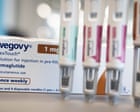
The Therapeutic Goods Administration (TGA) has alerted Australians to a serious health concern, updating product information for several commonly prescribed type 2 diabetes and obesity medications. The regulator’s warning highlights a potential association between GLP-1 receptor agonist (GLP-1 RA) drugs, such as Ozempic and Mounjaro, and non-arteritic anterior ischemic optic neuropathy (NAION) – a debilitating eye disorder that, in severe cases, can lead to blindness.
The TGA's decisive action follows an investigation into 36 reported cases of NAION linked to GLP-1 RA medicines, which are marketed in Australia under various brand names including Ozempic, Wegovy, and Mounjaro. This development, first reported by The Guardian Australia, underscores the TGA’s commitment to patient safety as these drugs gain widespread popularity across the nation.
The Alarming Link to Vision Loss
NAION is a condition characterised by an acute loss of vision dueising damage to the optic nerve. It typically affects one eye but can sometimes occur in both. The TGA’s updated warnings for Ozempic, Mounjaro, and other GLP-1 RA treatments mean that patients and prescribers are now explicitly advised of this “rare but severe” ocular risk. While the overall incidence remains low relative to the millions of prescriptions issued globally, the potential for permanent vision impairment is a grave concern.
Medical professionals are urged to exercise caution when prescribing these medications, particularly to individuals with pre-existing risk factors for NAION. Patients currently using or considering these treatments should be made aware of the symptoms, which include sudden, painless loss of vision, often noted upon waking. Prompt medical attention is crucial if such symptoms arise.
Understanding GLP-1 Receptor Agonists
GLP-1 RA drugs like Ozempic (semaglutide) and Mounjaro (tirzepatide) have revolutionised the management of type 2 diabetes by improving blood sugar control and promoting weight loss. Their effectiveness has led to a surge in demand, with many Australians utilising them for off-label weight management, sometimes contributing to supply shortages. The TGA's warning does not suggest these drugs should be immediately discontinued without medical advice, but rather emphasises the importance of informed consent and vigilant monitoring for potential adverse effects.
These drugs work by mimicking a natural hormone, glucagon-like peptide-1, which regulates blood sugar by stimulating insulin release and slowing gastric emptying. Their broader impacts on various bodily systems, however, continue to be studied, and unexpected side effects can emerge as more real-world data becomes available.
TGA's Ongoing Vigilance and Patient Advice
The TGA’s move is part of its continuous efforts to monitor the safety profiles of all medicines available in Australia. The regulator encourages both healthcare providers and patients to report any suspected adverse reactions to medications. This reporting system is vital for identifying emerging safety concerns and ensuring that product information remains current and comprehensive.
For patients considering or currently taking Ozempic, Mounjaro, or similar GLP-1 RA drugs, it is imperative to discuss any concerns with their doctor. Individuals should not cease taking their prescribed medication without professional medical guidance. The TGA’s updated guidance serves as a critical reminder that while these medications offer significant therapeutic benefits, like all powerful drugs, they are not without potential risks that warrant careful consideration and a thorough understanding between patient and clinician.