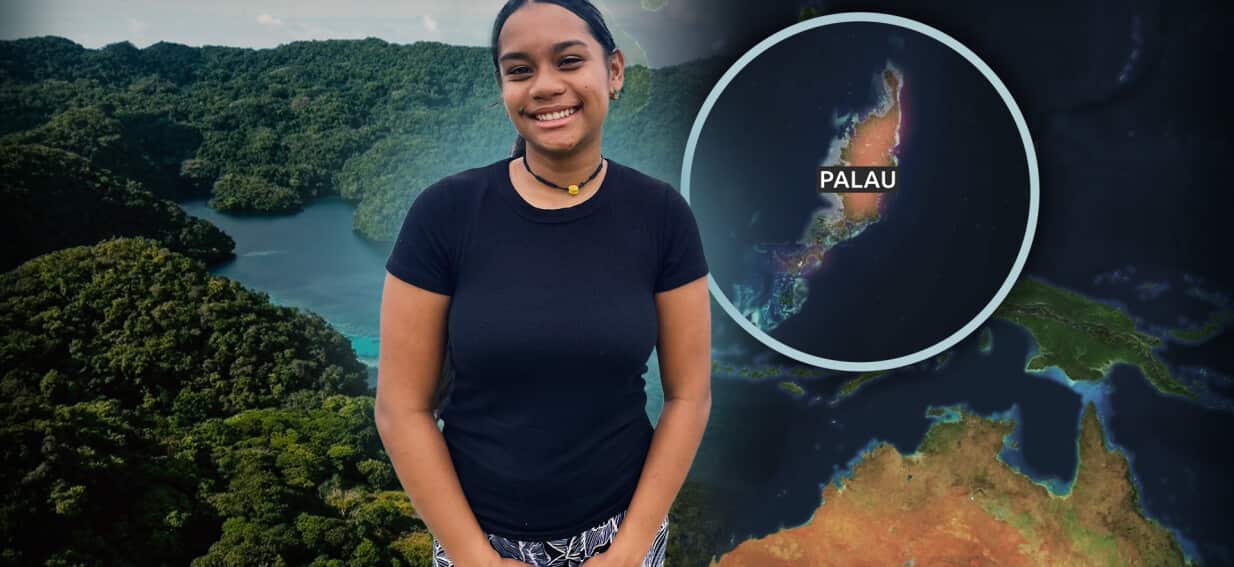
In the shimmering turquoise waters of the Pacific, far from the bustling metropolises, a quiet but profound shift is underway. A remote island nation, once content in its relative isolation, finds itself unexpectedly thrust onto the world stage, caught in the widening chasm between two global superpowers. This delicate balancing act is testing ancient traditions and challenging the very fabric of island life, as reported by SBS News Top Stories.
The Geopolitical Chessboard Extends South
For decades, the sprawling expanse of the Pacific Ocean was largely considered a strategic backwater by major global powers. However, in an era of heightened geopolitical competition, its vast maritime routes and burgeoning economies have become battlegrounds for influence. This particular island chain, strategically located, has emerged as a crucial pawn in a high-stakes game. While not explicitly named, the dynamics at play echo concerns across the region regarding Chinese expansion and renewed Western, particularly US and Australian, engagement. Infrastructure projects, economic aid packages, and even military training exercises are now viewed through a lens of strategic intent, each move scrutinised for its long-term implications.
A New Era of Aid Diplomacy
The most visible manifestation of this rivalry is the dramatic increase in aid and development assistance flowing into the island nation. Historically, Australia has been a significant donor, committing billions of dollars annually to its Pacific neighbours. However, a new player has entered the arena with substantial financial muscle. Critics suggest that some of these new aid initiatives, while outwardly beneficial, carry implicit conditions or long-term strategic obligations, potentially undermining the island nation's sovereignty. Local leaders are faced with the unenviable task of discerning genuine development from thinly veiled attempts at geopolitical leverage, all while navigating their domestic needs and budgetary constraints against offers that can seem too good to refuse in a nation where the average annual income hovers around AUD 5,000.
Cultural Fabric Under Strain
Beyond the economic and political machinations, the influx of external influence is having a tangible impact on the island nation's unique cultural identity and traditional way of life. Suddenly, communities accustomed to self-sufficiency and communal decision-making are confronted with differing developmental philosophies and rapid modernisation. There are reports of increasing concerns among elders about the erosion of indigenous languages, customs, and environmental practices. The challenge lies in harnessing the opportunities presented by foreign investment and partnerships without sacrificing the intrinsic values that define their society. The delicate ecosystem of these islands, already vulnerable to climate change, also faces new pressures from large-scale development projects, raising environmental anxieties among the populace.
The Path Forward: Sovereignty and Resilience
The predicament for this Pacific island nation is clear: how to chart a course that protects its national interests, preserves its cultural heritage, and promotes sustainable development, all while fending off the gravitational pull of two competing global behemoths. Leaders are increasingly advocating for a unified regional voice, hoping that collective strength might offer greater leverage in negotiations with external powers. There's a growing realisation that true resilience will come not just from foreign aid, but from nurturing domestic industries, empowering local communities, and maintaining a steadfast commitment to their own vision of prosperity. The coming years will be crucial in determining whether this remote Pacific nation can successfully navigate these perilous geopolitical waters, emerging not as a pawn, but as a sovereign agent of its own destiny.