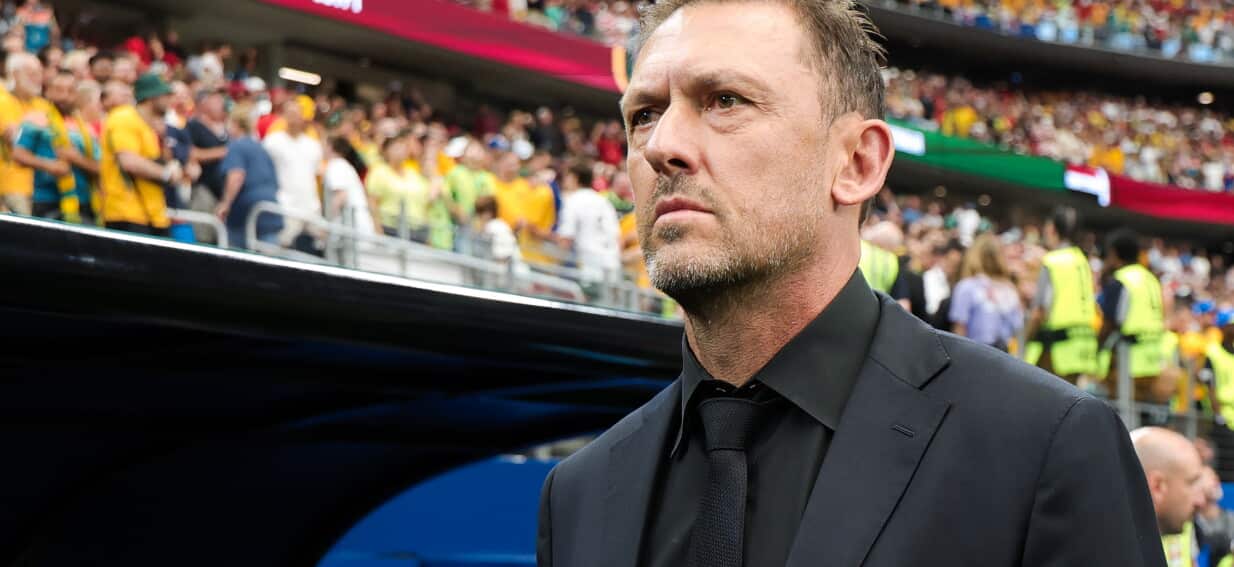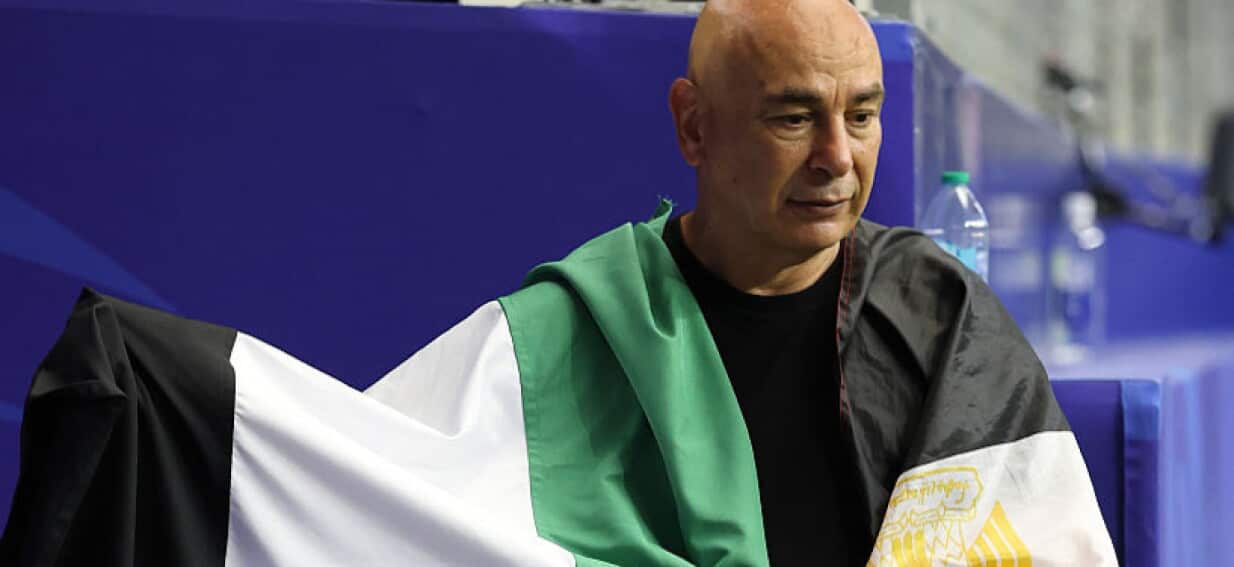
In a moment that transcended the usual post-match niceties, the head coach of the Egyptian national football team made a powerful and undeniably political statement, holding aloft a Palestinian flag after his squad's recent fixture against Australia's Socceroos. The unexpected display, widely circulated online and picked up by international news outlets, has ignited conversations spanning sporting ethics, human rights, and the enduring conflict in the Middle East, echoing similar incidents at past FIFA World Cup events.
More Than Just a Game: A Symbol of Solidarity
The gesture, while seemingly simple, carries significant weight, particularly within the context of the ongoing Israeli-Palestinian conflict. For many, the Palestinian flag symbolises a struggle for self-determination and recognition, making its appearance on such a prominent global stage a potent act of solidarity. Sporting events, with their massive viewership and emotional intensity, have increasingly become platforms for athletes and teams to express political views, challenging the long-held notion that sport and politics should remain separate. This incident, as SBS News Top Stories reported, is not an isolated one, with the Palestinian flag having made previous appearances inside FIFA World Cup stadiums, highlighting a consistent desire from some within the sporting community to acknowledge the Palestinian cause.
FIFA's Stance and Unfolding Reactions
International governing bodies like FIFA traditionally maintain a strict policy against political displays during matches, often imposing fines or sanctions on individuals or teams that contravene these rules. However, the enforcement of these regulations can be inconsistent and often subject to public and media pressure. While official statements from FIFA regarding this specific incident are yet to fully materialise, the incident is likely to prompt internal discussions about the boundaries of expression within competitive sport. Early reactions from football pundits and fans Down Under have been mixed, ranging from staunch support for the coach's bravery to concerns about the politicisation of sport.
Australian Context: Broader Implications
For Australian audiences, the incident holds particular resonance given Australia's own complex relationship with the Middle East and its diverse multicultural population. The 2021 census recorded over 70,000 Australians with Palestinian ancestry, alongside a significant Jewish community. Events like these often spark robust discussions within Australian society, reflecting a broad spectrum of views on international diplomacy and human rights. The Socceroos themselves often represent a modern, multicultural Australia, making the backdrop of this political statement particularly poignant in an Australian context. While the Australian government formally recognises Israel, it also maintains support for a two-state solution, a position that sometimes places it in a delicate diplomatic balancing act amidst global events.
The Enduring Power of the Flag
Ultimately, the Egyptian coach's decision to display the Palestinian flag serves as a powerful reminder that sport, despite its aspirations for neutrality, is inextricably linked to the human experiences and political realities of its participants and observers. Whether celebrated as an act of courageous advocacy or criticised as an inappropriate political intrusion, the image of the Palestinian flag fluttering on the international sporting stage will undoubtedly contribute to the ongoing global dialogue surrounding one of the world's most enduring conflicts. For the cost of what might be a fine of a few thousand Australian dollars, an indelible message has been sent to millions worldwide.