Bali, the idyllic Indonesian escape synonymous with surf, spirituality, and affordable luxury for generations of Australians, is silently battling an escalating environmental emergency. While tourist numbers surge back to pre-pandemic highs, an unseen wave of waste threatens to engulf the island, presenting a critical challenge to its long-term sustainability and the very essence of its charm.
SBS News Top Stories recently highlighted the predicament, detailing how Bali's waste management system is struggling to cope with the sheer volume of rubbish generated by both its burgeoning local population and the millions of annual visitors. This environmental strain exists in stark contrast to the Indonesian government's strategic pivot towards attracting a higher-spending, more 'quality' tourist demographic, a move designed to elevate Bali's economic returns and mitigate the perceived downsides of mass tourism.
The Unseen Tide of Trash
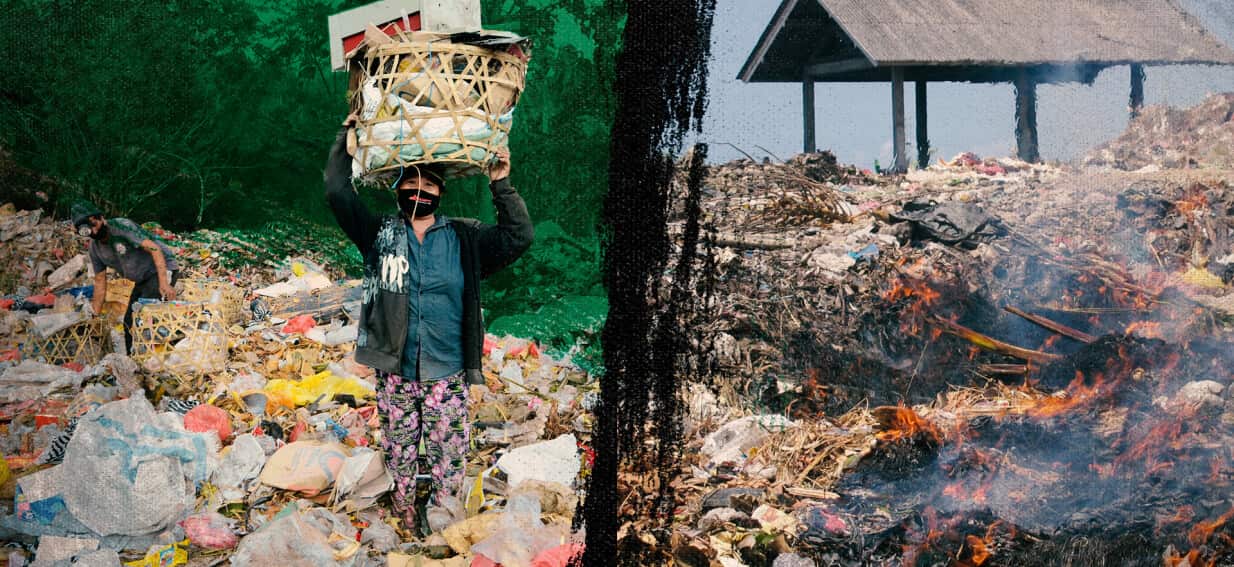
For many Australian holidaymakers, Bali represents a tropical haven, a place of relaxation and rejuvenation that doesn't break the bank. However, behind the picturesque rice paddies and stunning coastline, a less idyllic scene unfolds. Landfills are overflowing, rivers carry plastic debris to the ocean, and local communities are increasingly vocal about the visible impact of inadequate waste infrastructure. The island's rapid development and an almost insatiable appetite for consumer goods have outpaced its ability to responsibly dispose of waste products. Every discarded plastic bottle, every forgotten takeaway container contributes to a problem that threatens to mar the island's natural beauty and harm its delicate ecosystems, including the coral reefs that draw divers from around the globe.
Chasing the High-End Dollar
Amidst this environmental struggle, Jakarta is doubling down on efforts to reshape Bali's tourism profile. The strategy involves consciously moving away from budget travellers towards a more affluent clientele, hoping to increase per-visitor spending and reduce the environmental footprint often associated with mass market tourism. This shift is evidenced by the development of luxury resorts, high-end dining experiences, and exclusive cultural events, all aimed at enticing those with deeper pockets. The Indonesian government hopes that by attracting tourists who spend more on average – potentially thousands of Australian dollars per trip – the economic benefits will outweigh the environmental pressures, or at least provide more resources to tackle them. Critics, however, question whether a change in tourist demographic alone can solve a systemic infrastructure problem.
Sustainability on the Horizon?
Addressing Bali's waste crisis will require a multi-faceted approach, far beyond simply targeting wealthier visitors. Initiatives are underway, including community-led clean-up efforts, increased awareness campaigns for both locals and tourists, and nascent projects exploring waste-to-energy technologies and improved recycling facilities. Local entrepreneurs are also stepping up, creating innovative solutions for plastic waste and promoting sustainable tourism practices. However, these efforts often face significant hurdles, including funding, infrastructure limitations, and the sheer scale of the problem. For Bali to truly remain the 'Island of the Gods' rather than the 'Island of Rubbish', a concerted and sustained commitment from all stakeholders – government, industry, and tourists alike – will be essential. The future of Australia's favourite holiday destination hangs in the balance, dependent on its ability to embrace genuine sustainability alongside its economic ambitions.