The first half of 2026 has delivered an Australian political year of unprecedented volatility, confounding pundits and reshaping the electoral battleground. With surprising policy U-turns, internal party upheaval, and a striking shift in voter sentiment, the nation's political dynamic is proving more unpredictable than ever.
Labor's Unforeseen Policy Pivot
At the heart of the year's political tremors is the Albanese Labor Government's unexpected legislative agenda. In a move that has sent ripples through the property market and financial sectors, Labor successfully passed significant changes to negative gearing and the capital gains tax discount. This policy shift is particularly astonishing given both measures were explicitly ruled out by the party in the lead-up to the last federal election. The Guardian Australian politics podcast, featuring veteran political observers Michelle Grattan from The Conversation and Melissa Clarke of ABC Radio National, highlighted this as a defining characteristic of the year so far. The rationale behind such a dramatic about-face remains a subject of intense debate within Canberra, with some speculating it's a strategic gambit to shore up the budget, while others view it as a betrayal of election promises, potentially alienating a significant block of aspirational voters.
Liberal Leadership Merry-Go-Round Continues
The Coalition, meanwhile, has continued its familiar pattern of internal strife, with the Liberal Party undergoing yet another change in leadership. While the identity of the new leader and the circumstances surrounding the ousting of their predecessor were not detailed in the Guardian report, the mere fact of leadership instability underscores the party's ongoing struggle to present a united front and reclaim the confidence of the electorate. This frequent changing of the guard raises fundamental questions about the party's direction and its capacity to offer a coherent alternative government. Each leadership transition inevitably brings with it a period of introspection and realignment, often at the expense of projecting a strong, consistent message to the Australian public.
One Nation's Resurgent Appeal
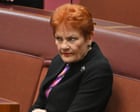
Perhaps one of the most striking developments of 2026 has been the demonstrable surge in support for Pauline Hanson's One Nation party. Multiple national polls have indicated a significant uplift in their primary vote, signalling a growing disillusionment with mainstream parties across certain demographics. This renewed popularity, noted by political editor Tom McIlroy in his Guardian Australian politics report with Grattan and Clarke, suggests a potent undercurrent of voter frustration that these established parties are failing to address. The reasons for this resurgence are complex, likely encompassing concerns over cost of living, immigration, and a general distrust of traditional political institutions. The challenge for both Labor and the Coalition will be to understand and respond to the anxieties driving this shift, lest they concede further ground to the minor party in future electoral contests.
Second Half: A Glimpse Forward
As the political year enters its second half, all eyes will be on how these seismic shifts continue to play out. Labor's bold policy moves will face closer scrutiny as their real-world impact becomes clearer, particularly on property investors and the broader economy. The new Liberal leader faces the arduous task of uniting their party, defining a clear policy platform, and presenting a credible opposition capable of capitalising on any government missteps. Simultaneously, the sustained rise of One Nation will force both major parties to recalibrate their electoral strategies, potentially leading to further policy concessions or a hardening of stances on issues traditionally championed by the minor party. The remaining months of 2026 promise to be a fascinating and potentially transformative period in Australian politics, with the potential for further surprises yet lurking on the horizon.