
Australian politicians often invoke the 'small business' mantra, framing themselves as champions of the national economic engine room. Yet, a recent analysis by independent news outlet Crikey suggests a significant gap between these claims and the actual entrepreneurial track records of those seeking our votes.
The findings challenge the long-held political narrative that a background in small business imbues a candidate with essential economic insight, particularly as the Opposition ramps up its criticism of the government's perceived lack of private sector experience.
The Dagwood Dog Credibility Scale
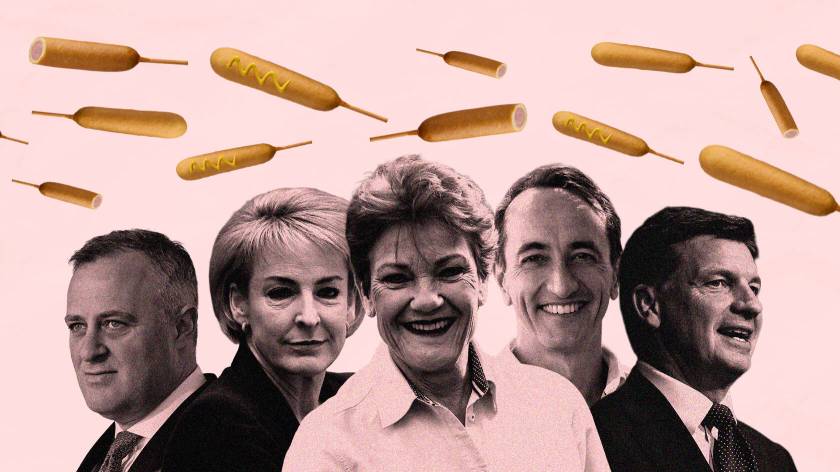
Crikey’s innovative 'Dagwood Dog' scale aims to objectively measure the authenticity of politicians' small business credentials. Inspired by the quintessential showground snack – often perceived as humble and relatable but sometimes surprisingly complex underneath – the scale scrutinises how deeply involved, if at all, politicians truly are with the day-to-day realities of running a small enterprise. It moves beyond mere family connections or brief stints as employees, looking for genuine ownership, risk-taking, and operational experience. The report highlights that many claims are often tenuous, based on advisory roles, inherited businesses, or short-term ventures rather than sustained, personal entrepreneurial efforts.
Rhetoric Versus Reality
For decades, Australian political discourse has leveraged the 'battler' narrative, with small business ownership often seen as a badge of honour. Both major parties frequently trot out candidates with alleged small business ties, particularly in marginal seats, banking on the idea that voters will connect with someone who understands the challenges of making ends meet, managing staff, and navigating bureaucratic red tape. Crikey reported that the current Opposition, in particular, has been vocal in attacking the government over its perceived lack of business acumen, suggesting a cabinet dominated by former union officials, public servants, or lawyers is out of touch with the commercial world. However, the 'Dagwood Dog' scale implies this line of attack may be a double-edged sword, as similar scrutiny of their own ranks might reveal comparable discrepancies.
What Constitutes 'Small Business Experience'?
One of the central questions posed by Crikey's analysis is: what truly counts as 'small business experience' in the political sphere? Is it merely having a relative who ran a corner store? Is it holding shares in a private company? Or does it require direct, hands-on involvement, where one's own capital and livelihood are directly at stake? The report points out that many politicians' 'business' backgrounds often lean more towards corporate law, consultancy, or senior management in large organisations, which, while valuable, differ significantly from the challenges faced by a sole trader or a family-run enterprise employing a handful of people. The small business sector, encompassing everything from local cafes to independent tradespeople, operates on tighter margins, faces different regulatory hurdles, and often thrives on direct community engagement, qualities not always fostered in larger corporate environments.
The Electoral Impact
The implications for upcoming elections are significant. If voters become more discerning about the 'small business' claims of their representatives, parties might need to re-evaluate how they present their candidates. While the emotional appeal of a 'small business owner' candidate remains potent, Crikey’s investigation suggests that a deeper dive into their actual experience could reveal a carefully constructed facade. In an era of increasing political cynicism, such revelations could further erode trust in mainstream politics, prompting voters to demand more transparency and authenticity from those seeking to govern.


