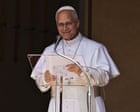
In a remarkable intersection of modern technology and ancient tradition, an Australian artificial intelligence detection firm has unequivocally certified a collection of Pope Leo XIV’s pronouncements as authentically human-authored. The verdict comes less than two months after the Pontiff himself issued a stark warning, labelling artificial intelligence “the greatest threat to humanity.”
The company at the forefront of this digital validation is Proudly Human, an Australian enterprise spearheaded by the nation’s former chief scientist, Dr Alan Finkel. Their innovative software, dubbed ‘Maps of Hope,’ was deployed to scrutinise a substantial body of the Pope's writings and speeches, culminating in a certification that underscores the enduring value of human expression in an increasingly automated world.
Unveiling the Human Signature
The rigorous analytical process involved a collaborative effort that stretched from the academic halls of the Australian Catholic University to the revered corridors of the Vatican. Proudly Human worked closely with the publisher of Pope Leo XIV's works and cardinals within the Holy See to ensure the integrity and comprehensiveness of the review. The Guardian Australia reported on the initial findings, highlighting the significance of the undertaking.
Dr. Finkel, a respected figure in Australian science and innovation, has been a vocal advocate for ethical AI development. His involvement in Proudly Human underscores a growing concern among experts regarding the proliferation of AI-generated content and the potential erosion of trust in the digital sphere. The certification of Pope Leo XIV's texts by ‘Maps of Hope’ offers a tangible demonstration of how advanced AI can be used to distinguish genuine human creativity from synthetic imitation.
A Papal Proclamation and Its Echoes
Pope Leo XIV’s recent strong condemnation of AI sent ripples through the international community. His declaration positioned the Holy See as a significant voice in the global debate surrounding the ethical implications of artificial intelligence, particularly concerning its potential impact on human dignity, labour, and societal structures. The irony of his own words being subjected to — and passing — an AI detection test is not lost on observers.
The certification serves to reinforce the Pope’s message, albeit indirectly. By affirming the human origin of his profound reflections, the technology implicitly validates the very human essence that His Holiness seeks to safeguard from untrammelled AI advancement. This novel application of AI detection could even be seen as a form of digital guardianship, protecting the authenticity of human thought in a rapidly evolving technological landscape.
The Australian Connection to Global Ethics
Proudly Human's achievement places Australia firmly at the forefront of developing tools to navigate the complex ethical terrain of artificial intelligence. The financial specifics of the collaboration were not disclosed, but such high-profile validations are invaluable for emerging tech companies. Businesses globally are grappling with the challenge of verifying content, and the success of ‘Maps of Hope’ in a sensitive, high-stakes environment like the Vatican could significantly boost its appeal and adoption across various sectors, from academia to media and publishing.
The potential for this technology extends far beyond religious texts. In an era where deepfakes and AI-generated news are becoming increasingly sophisticated, tools like ‘Maps of Hope’ offer a critical line of defence against misinformation and the erosion of trust. As Dr. Finkel's company continues its work, it highlights Australia's commitment to fostering responsible technological progress and ensuring that the human voice, in all its forms, remains distinctly heard amidst the digital din.