
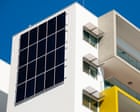
Strata schemes across Australia are facing mounting pressure to transition from gas to electric infrastructure, as rising utility costs and impending decarbonisation targets expose the complex realities of retrofitting multi-residential buildings.
Across the nation, standalone houses have largely led the push away from fossil gas, swapping open-flame cooktops for energy-efficient induction units, gas boilers for heat pumps, and outdated heaters for modern reverse-cycle air conditioning. Yet, for the millions of Australians living in apartments and medium-density complexes, the path to full electrification remains complicated by collective governance, shared wiring, and aging switchboards.
Navigating the strata maze and grid constraints
As reported by The Guardian Australia, embarking on building-wide electrification requires apartment owners to look well beyond their own kitchen counters. While detached households can replace appliances at will, apartment residents must navigate owners corporation approvals, restrictive strata by-laws, and the physical limitations of legacy infrastructure.
Many older apartment blocks were never designed to handle the electrical loads demanded by a comprehensive switch away from gas. The concurrent adoption of electric cooktops, communal heat pumps, and electric vehicle chargers can quickly exhaust a building’s existing power supply, occasionally necessitating expensive substation upgrades or intelligent load-management systems before any appliances can be wired in.
The compounding financial dividend
Despite the logistical hurdles, the financial and environmental arguments for severing ties with the reticulated gas network are increasingly difficult to ignore. Gas connection fees alone cost households hundreds of dollars annually in fixed supply charges, irrespective of actual energy consumption.
By fully disconnecting a building from the gas mains, residents eliminate these duplicate daily charges entirely. When combined with rooftop solar installations, shared battery storage, and thermal efficiency retrofits, all-electric multi-residential developments can significantly curtail baseline running costs while trimming greenhouse gas emissions. Furthermore, ditching gas cooktops removes indoor combustion pollutants, which health authorities have linked to childhood asthma and chronic respiratory issues.
The imperative for planned capital upgrades
Industry experts warn that strata committees can no longer afford to delay their electrification strategy until critical equipment breaks down. If a central gas hot water plant fails mid-winter, committees routinely default to an emergency like-for-like gas replacement simply because installing commercial heat pumps requires weeks of structural planning and electrical upgrades that cannot be executed overnight.
Forward-thinking owners corporations are therefore being urged to conduct comprehensive energy audits, revise their 10-year capital works fund plans, and draft transition roadmaps before appliances reach their end-of-life. With state governments progressively tightening efficiency standards and fossil gas tariffs continuing to climb, apartment owners who act early will safeguard both their asset values and long-term household budgets.


