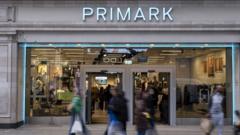
The UK high-street stalwart, beloved for its bargain-basement prices, is looking to adapt its retail strategy as economic headwinds and the rise of hyper-affordable e-commerce players like Shein and Temu reshape the clothing market. Analysts suggest the move could see Primark – known internationally as Penneys in Ireland – diversify its product range to include everyday consumables, mirroring the playbook of supermarkets.
The proposed strategy, first reported by BBC Business, comes as Australian consumers tighten their belts amidst persistently high inflation and rising interest rates. The cost-of-living crisis is forcing many to prioritise essential spending, leaving less disposable income for discretionary purchases like fashion.
The Online Gauntlet: Shein and Temu's Disruptive Force
The arrival and rapid expansion of Chinese-founded online retailers such as Shein and Temu have fundamentally altered the landscape of affordable fashion. These platforms, renowned for their incredibly low prices, vast product offerings, and direct-from-factory shipping models, pose a significant threat to traditional brick-and-mortar retailers like Primark. Their agility in bringing new styles to market almost instantly further compounds the pressure.
Primark, which operates solely through physical stores and has, until recently, resisted a full e-commerce push, finds itself in a precarious position against these digital natives. While it offers an engaging in-store experience and the ability to touch and try on garments, the convenience and sheer price point of its online rivals are proving a powerful draw for budget-conscious Australians.
Beyond Fashion: A Broader Basket for Shoppers
The 'supermarket tactic' reportedly under consideration involves Primark expanding its product categories beyond its traditional clothing, accessories, and homewares. This could see stores stock a greater range of basic household goods, personal care items, or even non-perishable food products, turning a fashion outing into a more encompassing shopping trip. The idea is to increase 'basket size' and encourage more frequent visits by becoming a one-stop shop for a wider array of everyday needs.
For Australian consumers grappling with escalating grocery bills and general living expenses, the prospect of combining a clothes shop with other essential purchases could be appealing. It leverages the existing foot traffic into Primark stores and potentially positions them as destinations for value beyond just fashion.
Australian Market Implications: A Test of Adaptability
While Primark does not currently have a physical presence in Australia, the global discussion around its strategic adaptations holds significant implications should the brand ever decide to enter the competitive Australian retail market. Any potential future launch would undoubtedly be shaped by these evolving global strategies and the specific challenges of the Australian consumer landscape.
The Australian retail sector is already a challenging environment, characterised by strong local players, established international brands, and the same influx of online disruptors seen globally. For a brand like Primark to thrive, a nuanced approach that understands local purchasing habits, economic pressures, and competitive dynamics would be essential.
Analysts quoted by BBC Business have highlighted that for Primark, the long-term success of any new strategy will hinge on its ability to maintain its core appeal – ultra-low prices – while simultaneously innovating to stay relevant in an increasingly cut-throat retail world where every dollar counts for the consumer.