
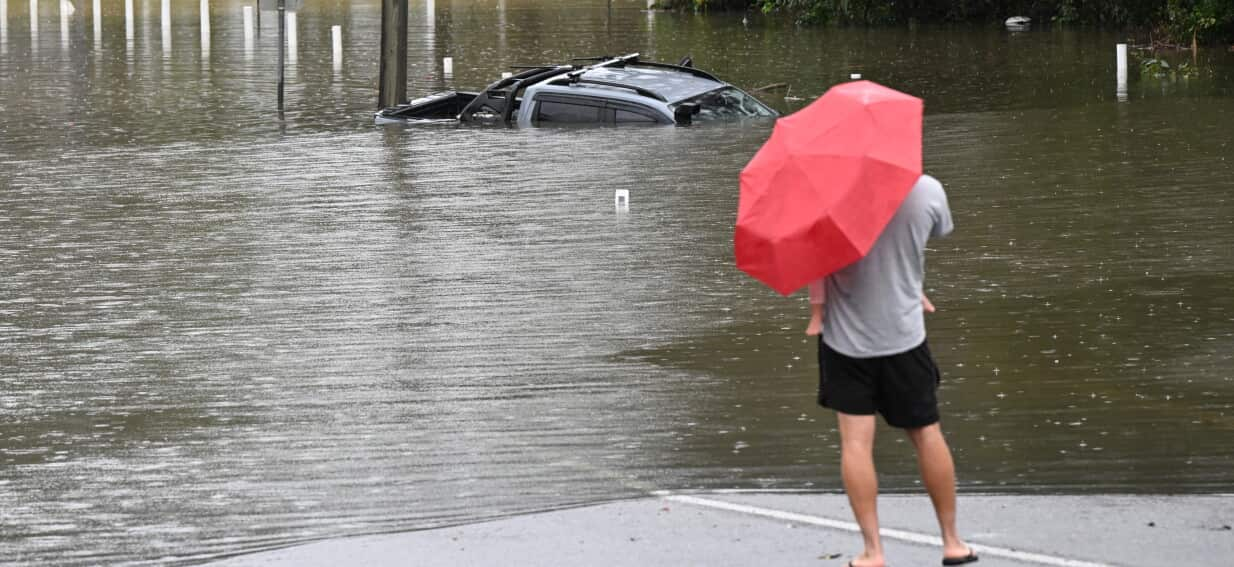
Emergency services across Queensland are assessing extensive infrastructure damage after severe thunderstorms and torrential downpours triggered flash flooding, inundating regional roads and cutting off isolated communities before tracking offshore.
SBS News Top Stories reported that the state bore the brunt of destructive rainfall, sudden flash floods, and intense electrical storms over recent days, with several catchments rapidly overwhelmed. The severe atmospheric trough generated localized rainfall totals exceeding typical monthly averages within hours, overwhelming suburban drainage infrastructure and swamping low-lying farmland across the state's southern and central regions.
Torrential downpours submerge transport corridors
Dozens of arterial roads were closed as swollen creeks broke their banks, stranding motorists and disrupting freight lines along key coastal and inland transport corridors. State emergency personnel fielded hundreds of calls for assistance as floodwaters rose swiftly into residential driveways, outbuildings, and commercial precincts.
Swiftwater rescue crews were placed on high alert throughout the event, responding to numerous incidents involving vehicles trapped in rapidly rising crossings after drivers attempted to traverse inundated causeways. Transport authorities have deployed engineering teams to inspect culverts, bridges, and road surfaces for structural undermining before reopening closed highways to heavy vehicles.
River systems swell as deluge eases
Meteorological data indicated that the weather system responsible for the instability has begun moving out to sea into the Coral Sea. However, the legacy of the atmospheric moisture remains acutely felt on the ground.
Major watercourses continue to swell as upstream runoff funnels into regional basins, meaning river heights in several downstream river systems will peak well after the blue skies return. SBS News Top Stories reported that while the wild weather is clearing coastal settlements as it shifts offshore, saturated catchments mean even modest lingering showers could trigger secondary river rises in vulnerable communities.
Authorities urge vigilance during prolonged recovery
Local disaster management groups have commenced formal damage assessments across impacted shires, turning their focus to community welfare and the restoration of essential services. Insurers are bracing for an influx of property claims for water ingress and structural damage, with repair bills expected to climb into the millions of dollars across residential and agricultural sectors.
Emergency coordinators have reiterated safety warnings, reminding motorists that floodwaters carry concealed debris, toxic run-off, and washed-out roadbeds. Residents returning to inundated properties have been urged to treat all standing water as contaminated and to report downed powerlines immediately.
Coastal conditions remain hazardous
While inland regions are observing falling water levels, maritime authorities have warned mariners and coastal populations that dangerous conditions persist along the littoral fringe. As the low-pressure system moves over open water, it continues to generate powerful swells, strong onshore gusts, and treacherous surf along exposed beaches.
Local councils have closed several coastal access tracks due to localized sand erosion and unstable dunes. Officials advise that the broader recovery phase will take several weeks as crews work to restore damaged power networks, clear displaced silt, and ensure isolated households receive necessary relief provisions.


