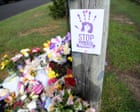
Amidst growing public concern for victim safety, the Queensland Liberal National government has reportedly suppressed a critical report compiled by a panel of domestic violence victim-survivors. The confidential findings, exclusively revealed by The Guardian Australia, sharply criticised police responses to domestic violence incidents and urged the implementation of a civilian review mechanism for complaints.
The suppression of the report comes despite the government's repeated public pledges to "put victims at the heart" of the state’s justice policies. The alleged burial of the report raises serious questions about the government's commitment to addressing systemic issues within the domestic violence response framework.
Damning Findings and Suppressed Recommendations
The working group, comprised entirely of individuals with lived experience of domestic violence, was tasked with providing frank and fearless advice on improving the justice system's response. Their report, however, painted a bleak picture of current practices, particularly highlighting deficiencies in how Queensland Police deal with domestic violence cases.
Central to the report's recommendations was the establishment of a "civilian review mechanism" – an independent body empowered to investigate and escalate complaints against police conduct in domestic violence matters. This recommendation suggests a lack of confidence among victim-survivors in existing internal police review processes and a desire for greater accountability and transparency.
Broader Concerns for Political Safety
The controversy surrounding the Queensland report coincides with broader concerns about the increasingly toxic nature of Australian politics. Incoming Labor president, Kate Ellis, has voiced disquiet over the impact of personal safety threats on politicians' ability to execute their duties effectively. In an interview, Ms Ellis suggested that the escalating hostility within political discourse is now spilling over into the wider community and public debate, creating an environment where elected representatives feel increasingly vulnerable.
While not directly related to the Queensland report, Ms Ellis's comments underscore a pervasive anxiety within Australian public life, where vital discussions on social issues can be hampered by an atmosphere of intimidation and fear.
Economic Headwinds and Medical Misconduct
Adding to a week of significant news, market forecasts indicate a heightened risk of another Reserve Bank interest rate hike. Economists are pointing to the escalating conflict in the Middle East as a key driver, pushing global oil prices higher and depleting reserves, thereby increasing inflationary pressures domestically. This comes as Australian households grapple with persistent cost-of-living challenges, with the prospect of further rate increases adding to financial strain.
In New South Wales, the medical profession has also been under scrutiny, with a tribunal finding a surgeon guilty of professional misconduct. The surgeon has been banned from practising medicine for six months following two serious lapses in patient care: failing to detect cancer in one patient and operating on the incorrect section of another patient's bowel.
New Hope for Aboriginal Families
Amidst these challenges, a significant positive development has emerged in New South Wales with the launch of a new Aboriginal family preservation program. This initiative, backed by a historic investment from the state government, aims to provide at-risk Indigenous children with a safe space to articulate their experiences and "tell their own stories." The program focuses on preventing children from entering out-of-home care, instead supporting families to remain together and thrive within their communities.