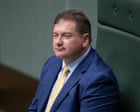
Federal Coalition MP Llew O’Brien has courted significant controversy after a social media post celebrating Australian sprinter Lachlan Kennedy’s Commonwealth Games silver medal. The Queensland representative for Wide Bay declared it was “encouraging to see a White Australian” win a sprinting medal, prompting an immediate outcry across political and social spheres.
Mr O’Brien's contentious post, shared on Wednesday, bluntly stated: “White Men Can Sprint!” This assertion, made after Kennedy's remarkable performance in Glasgow saw him clinch silver and set a new national record, has been widely criticised as racially divisive and undermining the spirit of inclusive Australian sporting achievement.
Broad Condemnation for Divisive Remark
The comments by the LNP member have drawn sharp rebukes from various quarters. Critics argue that singling out an athlete's race for commendation is inappropriate and detracts from the universal achievement of an Australian representative on the international stage. Many have highlighted the long-standing efforts to foster diversity and inclusion in Australian sport, suggesting Mr O'Brien's remarks fly in the face of these values. The Guardian Australia reported on the immediate backlash, noting the swift condemnation from figures across the political spectrum and community groups.
While Mr O'Brien defended his stance, reportedly stating “there is nothing wrong with being proud of your heritage,” this explanation has done little to quell the outrage. Commentators have pointed out that celebrating heritage should not come at the expense of undermining the collective national identity, particularly in a multicultural nation like Australia. The focus, they argue, should remain on the athlete's dedication and triumph, irrespective of their background.
Coalition Colleagues Distance Themselves
Amidst the growing storm, fellow Coalition members have begun to distance themselves from Mr O’Brien’s inflammatory remarks. Senior figures within the Liberal-National Party have offered more conciliatory statements, aiming to project a unified and inclusive front. Federal Minister Angus Taylor, for instance, responded to the furore by stating: “I congratulate all Australians,” a clear pivot away from Mr O’Brien’s race-specific praise.
This deliberate sidestepping of Mr O’Brien’s comments by his colleagues underscores the political discomfort and potential damage the remarks could inflict on the Coalition's image. The incident has forced the party to walk a delicate tightrope, balancing internal solidarity with the need to avoid alienating a broad cross-section of the Australian electorate. The emphasis from other Coalition members has been firmly on celebrating national achievement and hard work, rather than racial identity.
Impact on National Sporting Narrative
The controversy has inadvertently opened a broader discussion about race and representation in Australian sport. While Australia prides itself on its sporting prowess and diverse athletic talent, incidents such as this highlight persistent undercurrents of racial tension and misunderstanding. Many have used the opportunity to reinforce the message that athletic success is a testament to individual talent, rigorous training, and unwavering determination, rather than a characteristic inherent to any particular race.
Lachlan Kennedy's achievement, setting a new national record and securing a silver medal, should rightfully be a moment of national pride, universally celebrated. However, Mr O’Brien’s comments have, for some, cast an unwelcome shadow over this remarkable feat, shifting the focus from sporting excellence to contentious racial discourse. The incident serves as a potent reminder of the ongoing need for thoughtful and inclusive language in public commentary, particularly when discussing national representatives on the world stage.