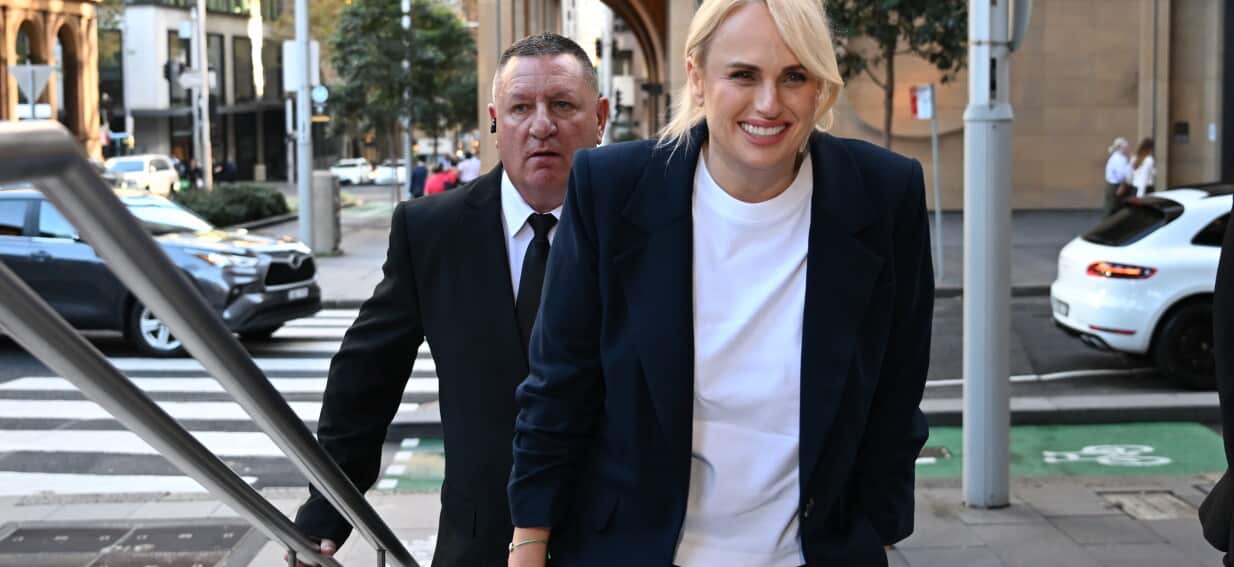
Sydney-born actress Rebel Wilson has successfully defended herself against a defamation suit brought by former co-star Charlotte MacInnes, concluding a legal skirmish that hinged on a series of social media posts. The ruling by Justice Belinda Thompson in the NSW Supreme Court brings to an end a protracted dispute that captivated local entertainment circles.
Social Media Spat Ignites Legal Firestorm
At the heart of the contentious legal battle were several social media posts by Wilson, which MacInnes contended defamed her by painting her as dishonest and mercenary. The original claim, as reported by SBS News Top Stories, posited that Wilson's online remarks had suggested MacInnes was a “liar and a sellout.” The intricate details of the posts, now scrutinised in court, formed the bedrock of MacInnes's case, seeking significant damages for alleged reputational harm.
Wilson, known globally for her roles in films like Pitch Perfect and Bridesmaids, has consistently maintained her innocence, asserting that her social media activity was not intended to defame MacInnes. The legal proceedings involved extensive analysis of the context and impact of online communication, a growing area of focus within defamation law in the digital age. This case serves as a poignant reminder of the fine line public figures tread online, where casual remarks can escalate into costly legal battles.
Judge Rules in Wilson's Favour
Justice Thompson’s judgement comprehensively dismissed MacInnes’s assertions, affirming Wilson’s right to express her views without incurring liability for defamation in this instance. The court's decision was a significant victory for Wilson, who had passionately argued against the allegations. While the precise legal reasoning behind the judge's ruling has yet to be fully disseminated, it is understood that the court found insufficient evidence to substantiate MacInnes's claims of defamation based on the ordinary and natural meaning of Wilson's posts.
The verdict avoids a potentially substantial financial penalty for Wilson, who could have faced a multi-million-dollar payout in damages had the decision gone the other way. Defamation payouts in Australia, particularly for public figures, can reach into the hundreds of thousands, if not millions, of Australian dollars, making this a financially significant outcome for the Pooch Perfect host.
Broader Implications for Public Figures Online
This high-profile case highlights the increasing complexity of defamation law in the era of social media. For public figures, every tweet, Instagram story, and Facebook post carries potential legal weight, often scrutinised not just by followers but also by legal teams. The outcome of MacInnes v Wilson will undoubtedly be studied closely by legal professionals and celebrities alike, offering further guidance on the boundaries of online expression and what constitutes defamatory content in Australia.
While specific details of the initial dispute between the co-stars remain largely private, the legal resolution brings a definitive end to what has been a challenging period for both actresses. The ruling underscores the judiciary's careful approach to balancing freedom of expression with the right to protect one's reputation, particularly in the fast-paced and often unfiltered world of social media.