
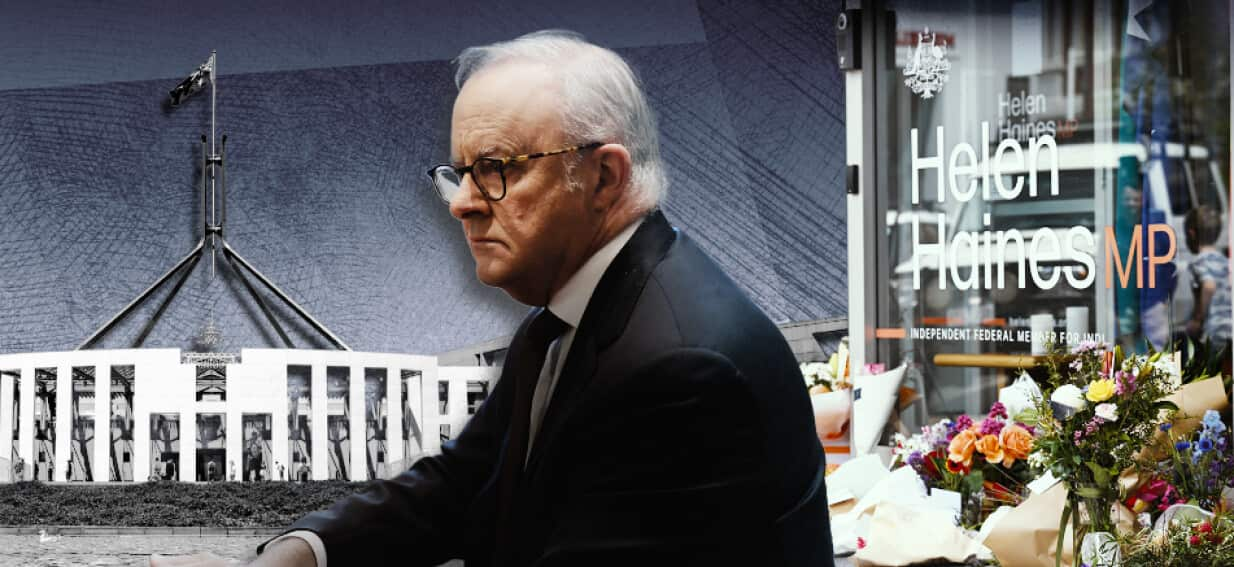
A violent confrontation targeting independent federal MP Helen Haines has intensified warnings across Canberra over an escalating and unchecked wave of harassment, intimidation, and physical threats directed at parliamentarians.
SBS News Top Stories reported that the incident involving Dr Haines, the independent Member for Indi, has underscored a deeply concerning deterioration in the safety of public officials. What was once dismissed as the occupational hazard of public life has metastasised into an aggressive, coordinated undercurrent that now regularly compromises the safety of elected representatives, their families, and electorate office staff.
A Dangerous Shift from Online Abuse to Physical Confrontation
Federal authorities and political observers have watched with mounting anxiety as rhetorical hostility has migrated from the fringe corners of the internet into the physical realm. The Australian Federal Police (AFP) has documented a steep climb in investigations into harassment and menacing conduct directed at politicians across the political divide.
While parliamentary discourse has always been adversarial, security analysts warn that the nature of hostility has shifted fundamentally. Grievances fermented in conspiratorial online ecosystems are increasingly driving individuals to confront politicians in their home electorates, ambushing them at community forums, street stalls, and constituency surgeries.
Security Overhauls Follow Mounting Warnings from Law Enforcement
In response to the deteriorating threat landscape, Commonwealth authorities have been forced to allocate tens of millions of dollars toward fortifying electoral offices and bolstering personal protection details. Modern constituency offices, traditionally designed to be welcoming shopfronts in local shopping strips, are increasingly retrofitted with duress alarms, ballistic glass, and state-of-the-art surveillance equipment.
SBS News Top Stories reported that the systemic changes reflect a grim reality: the era of open, casual engagement between voters and lawmakers is becoming untenable. Senior figures within the security apparatus have indicated that the caseload regarding threats against parliamentarians has multiplied over recent electoral cycles, prompting permanent reviews of protective security protocols.
Disproportionate Toll on Female and Crossbench Representatives
The impact of this aggressive climate is not felt equally. Crossbenchers and women in parliament bear an overwhelmingly disproportionate volume of abuse, ranging from targeted misogynistic vitriol to credible threats of physical violence.
Independents, in particular, often lack the centralised support infrastructure, party legal teams, and institutional backing afforded to members of the major parties. For regional representatives such as Dr Haines, whose electorates span vast geographical footprints, maintaining physical visibility while managing genuine safety risks represents a complex, daily operational dilemma.
Democratic Access Strained by Heightened Fortifications
The greatest casualty of this protracted threat remains the democratic compact itself. Australian political culture has long prided itself on the accessibility of its representatives, who could historically mingle through local agricultural shows, suburban markets, and community halls without armed protection.
If the escalation continues unchecked, the inevitable consequence will be the further insulation of parliamentarians behind physical barricades and private security contingents. Democratic experts warn that as politicians are forced to withdraw into guarded spaces, the crucial relationship between everyday citizens and their elected lawmakers risks becoming permanently fractured.


