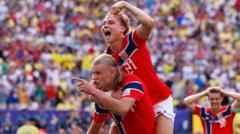
Brazil's dream of a sixth World Cup trophy lies in tatters after a humiliating last-16 defeat to Norway, a result BBC Sport's Tim Vickery starkly described as an "unmitigated disaster." The 1-0 upset wasn't a fluke; it was, according to analysts, a stark reflection of deep-seated issues that require urgent and decisive intervention.
For a nation that breathes football, the early departure has sent shockwaves through the sporting landscape. The Seleção, once synonymous with innovative flair and attacking prowess, appeared sluggish, predictable, and outmanoeuvred against a Norwegian side that, while spirited, was widely considered an underdog. The inquest has begun, and it promises to be a brutal one.
More Than Just a Bad Day at the Office
Critics are unanimous: this wasn't merely an off-day or a stroke of bad luck. Vickery highlighted that Brazil's performance against Norway was emblematic of a team lacking cohesion, tactical identity, and the explosive creativity that once defined their play. The squad, often lauded for individual brilliance, failed to gel into a formidable unit. There's a growing consensus that the talent pool, while still impressive on paper, lacks the depth and tactical versatility required to compete at the very highest level in contemporary football.
The age profile of key players is also a significant concern. While experience is invaluable, an over-reliance on a maturing cohort without a clear succession plan has left the team vulnerable. The energy and youthful exuberance often associated with Brazilian football seemed conspicuously absent when it mattered most, replaced by a cautious, sometimes ponderous approach. This stagnation has been brewing, with previous tournaments hinting at these underlying weaknesses.
The Ancelotti Question: A Savvy Move or a Stopgap?
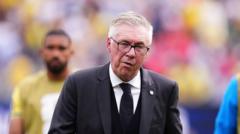
A significant talking point in the aftermath of the World Cup calamity is the lingering question mark over who will lead Brazil forward. The name most frequently whispered is Italy's Carlo Ancelotti, currently at the helm of Real Madrid. While Ancelotti boasts an enviable track record in club management, securing multiple UEFA Champions League titles, his potential appointment for the national team job is drawing both optimism and scepticism.
BBC Sport reported that while Ancelotti is renowned for his calm demeanour and ability to manage superstar egos, the challenge of overhauling an entire national footballing philosophy is monumental. Brazil needs not just a coach, but a visionary. The task isn't simply to win the next tournament, but to rebuild a sustainable system that nurtures talent, defines a modern playing style, and restores the nation's footballing pride. This involves engaging with youth development, tactical innovation, and a clear long-term strategy – areas where club success doesn't automatically translate to national team prowess.
Reclaiming the Samba Spirit
The calls for a complete overhaul extend beyond just the coaching staff. There's a recognition that Brazilian football, from the grassroots up, needs a significant re-evaluation. The traditional emphasis on individual skills and attacking freedom must be balanced with modern tactical discipline and physical conditioning. The pressure on young players to move to European clubs at an early age, while financially lucrative (often for figures upwards of millions of Australian dollars), can sometimes hinder their holistic development and connection to the national footballing identity.
Fans and pundits alike are urging the Brazilian Football Confederation to look inwards, to assess where the production line of world-beating talent has faltered, and to invest in strategies that foster a new golden generation. The focus must shift from simply assembling the best individual players to forging a cohesive, tactically intelligent, and passionately Brazilian team once more. The pain of the Norway defeat, many hope, will be the catalyst for this much-needed surgical intervention.
A Path to Redemption
The road ahead for Brazil is fraught with challenges, but also offers an opportunity for redemption. The immediate priority will be a forensic analysis of what went wrong, followed by difficult but necessary decisions regarding coaching, player selection, and potentially, the very structure of their football development programs. Ancelotti, or whoever ultimately takes the reins, will inherit a team in need of profound 'surgery' – not just a tweak here or there, but a comprehensive revitalisation. The football world, and indeed the entire nation of Brazil, will be watching closely to see if they can once again dance their way back to the summit of international football.