
Australia’s elite tertiary institutions are under scrutiny over their expanding artificial intelligence partnerships, facing accusations of obscuring the vast carbon footprints generated by their high-performance computing tie-ups.
Despite positioning themselves as global frontrunners in environmental sustainability and renewable research, leading universities are increasingly integrating energy-intensive AI systems into their core operations without adequately accounting for the resulting greenhouse gas emissions.
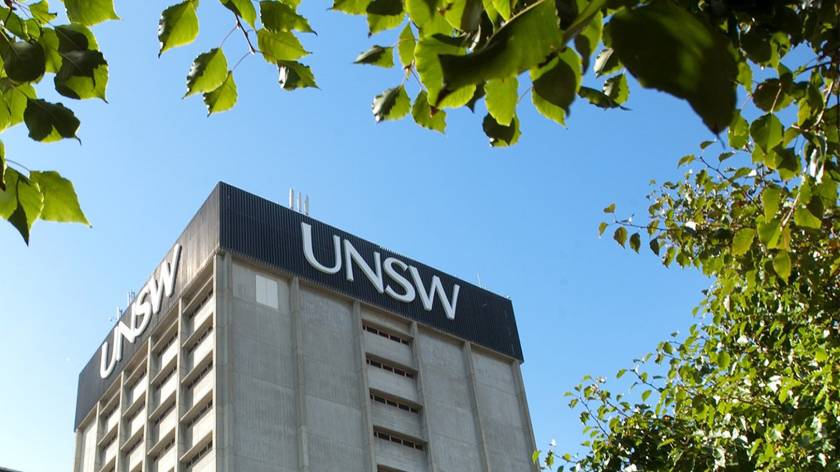
An investigation by independent news outlet Crikey revealed that prestigious institutions, including the University of New South Wales (UNSW), have aggressively pursued commercial technology partnerships while keeping quiet about the true environmental cost of their modern digital infrastructure.
The emissions blind spot in tertiary computing
At the centre of the issue lies the immense energy appetite of large-scale computational models. Training and running modern machine-learning algorithms requires vast banks of high-density processors housed within remote data centres, demanding millions of kilowatt-hours of baseload electricity and enormous volumes of fresh water for cooling systems.
Crikey reported that while universities actively celebrate reductions in their direct campus emissions—touting on-site solar rollouts and green power procurement—the energy consumed by cloud-hosted computational contracts frequently escapes institutional carbon accounting frameworks. Because these digital workloads are classified off-campus, institutions can legally omit them from basic Scope 1 and Scope 2 disclosures, effectively shielding their dirtiest technical operations from public view.
Green credentials collide with big-tech tie-ups
The revelations strike at the core of university marketing strategies. UNSW has built an international reputation as an intellectual home of photovoltaic engineering and solar efficiency, frequently leveraging its research achievements to claim moral leadership in the nation's clean-energy transition.
Yet by deepening arrangements with major international technology vendors whose hyperscale operations rely heavily on fossil-fuelled electricity grids, universities risk undermining their public environmental commitments. The computational demands of generative AI platforms are forecast to multiply exponentially over the coming decade, placing unprecedented strain on Australia’s energy grid at the very moment universities are pledging rapid decarbonisation.
Mounting pressure for full carbon accounting
Across the higher education sector, the rapid push to embed generative technology into teaching, research, and back-office administration has proceeded largely without independent environmental oversight. In Australia, where federal targets mandate a 43 per cent emissions reduction by 2030, the sector had positioned itself as a progressive benchmark for corporate climate accountability.
Climate governance specialists argue that the tertiary sector cannot credibly maintain ambitious net-zero declarations while operating an accounting carve-out for its high-tech suppliers. As pressure mounts on sandstones to audit their external supply chains, calls are intensifying for mandatory Scope 3 declarations that capture the true environmental burden of artificial intelligence. Without full transparency, Australia’s premier universities face uncomfortable questions over whether their high-tech pivot is coming at the direct expense of their climate integrity.


