A controversial blueprint to tackle antisemitism has sparked fierce domestic debate, with critics warning the federal government's special envoy is proposing measures that risk stifling legitimate criticism of Israel.
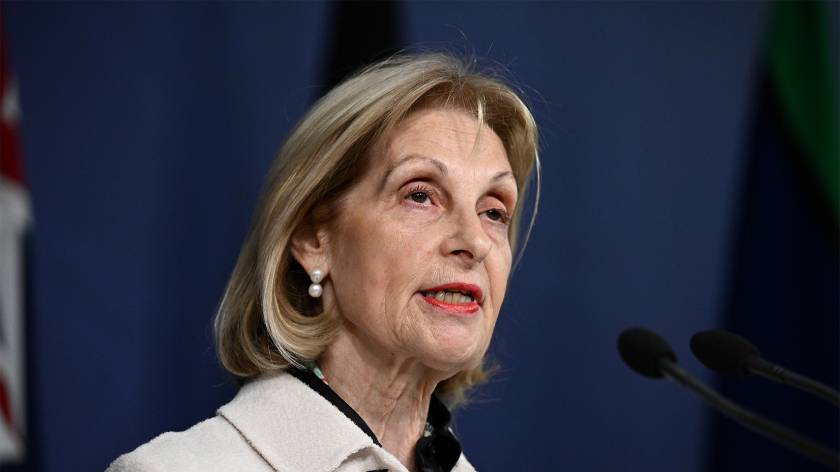
The proposals presented by Jillian Segal, appointed by Prime Minister Anthony Albanese in July as Australia's Special Envoy to Combat Antisemitism, have divided civil liberties advocates, academics and political observers. While framed by community advocates as an essential safeguard against rising prejudice targeting Jewish Australians, dissenting voices argue the recommendations drift dangerously toward policing public discourse.
Independent commentary outlet Crikey reported that Ms Segal's framework presents a genuine threat to free expression, arguing the envoy's stance mirrors conspiratorial tendencies and risks punishing legitimate political debate regarding the state of Israel and the ongoing conflict in the Middle East.
Free Speech Concerns Raised Across Campuses
The controversy lands amid months of simmering friction across Australian university campuses, where student encampments, pro-Palestinian demonstrations and fierce debates over academic freedom have tested institutional leadership. Under Ms Segal's mandate, public institutions, educational facilities and cultural bodies have been urged to tighten oversight and adopt more rigorous definitions of anti-Jewish bigotry.
However, civil libertarians claim that sweeping measures intended to curb hate speech could inadvertently target lawful political assembly. As Crikey reported, the envoy’s reform proposals risk silencing academic critique and student activism under the guise of maintaining community harmony, conflating geopolitical dissent with racial or religious hatred.
Parallels Drawn to Polarised US Politics
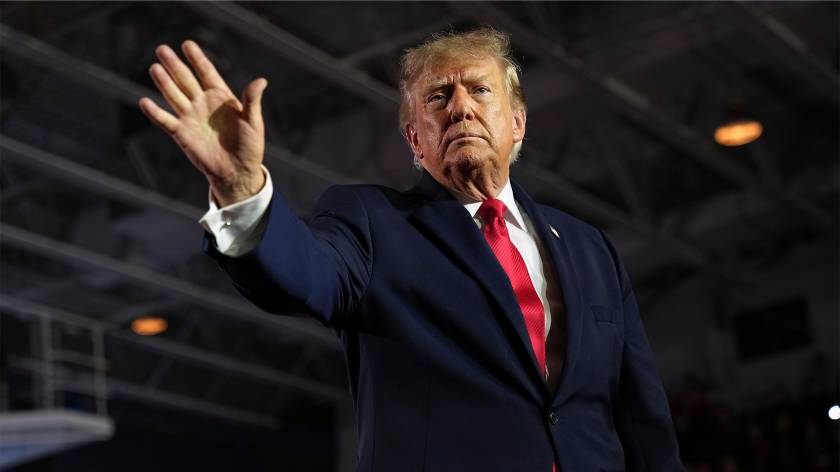
The commentary published by Crikey went further, likening the envoy's blueprint to Trumpian conservative agendas in the United States, where culture-war rhetoric has increasingly been leveraged to dismantle progressive campus movements and silence international law advocacy.
Legal observers in Australia have expressed related anxieties regarding proposals that could link institutional research funding to compliance with contentious speech frameworks. While conservative parliamentarians have urged the Albanese government to implement Ms Segal’s recommendations without delay, legal scholars caution that adopting punitive funding mechanisms could violate established conventions protecting tertiary autonomy and public dissent.
Navigating Definitions of Anti-Jewish Hate
Central to the dispute is the contested boundary between antisemitic prejudice and sovereign foreign policy critique. At issue is whether the Federal Government will push for the uncritical adoption of the International Holocaust Remembrance Alliance's working definition of antisemitism, an instrument that some rights organisations warn can be weaponised to suppress debate about Palestinian human rights.
Community advocates supporting Ms Segal argue that Jewish Australians have faced an unprecedented wave of harassment and intimidation since late 2023, making proactive intervention essential to preserve social cohesion and personal safety across multicultural Australia.
Canberra Walks a Precarious Diplomatic Tightrope
For the Albanese government, managing the political fallout presents a delicate balancing act. Federal ministers remain under sustained pressure to reassure vulnerable communities while safeguarding the nation's implied constitutional freedom of political communication.
As the recommendations circulate through federal departments, the debate underscores the deep domestic fractures exposed by overseas conflict, highlighting the immense difficulty of drafting anti-discrimination policy in an era of acute ideological polarisation.