
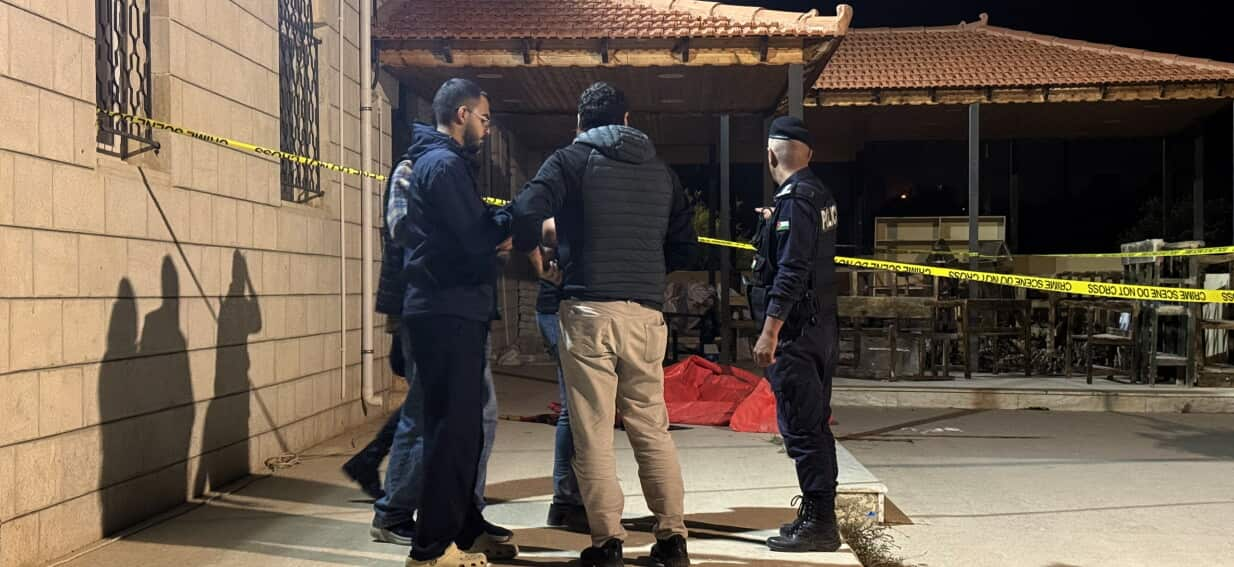
Seven mourners have been killed in Jordan after armed extremists ambushed a church funeral service, in what security officials have condemned as a brazen act of sectarian terrorism.
The shooting, which targeted members of the kingdom's Christian minority as they gathered to pay their respects, has sent shockwaves through a nation traditionally regarded as an anchor of comparative calm in an otherwise volatile region. Several others were seriously wounded in the confrontation and remain under specialised medical care in regional hospitals.
SBS News Top Stories reported that authorities in Amman immediately designated the lethal incident an act of terror, pointing to radicalised elements intent on fracturing community relations.
Ambush during funeral rites
According to preliminary assessments released by domestic security agencies, multiple assailants approached the perimeter of the church grounds before unleashing sustained automatic gunfire into the congregation. Mourners had assembled for the burial service of a local community figure when the assault began, causing widespread panic and stampedes as attendees sought cover inside the nave.
Security detachments stationed nearby responded to the gunfire within minutes, engaging the perpetrators in an exchange of fire before the gunmen fled the scene into adjacent neighbourhoods. A multi-agency manhunt led by Jordan’s public security directorate remains underway, backed by air support and heavily armed counter-terrorism units.
Rare breach of sectarian harmony
Violence targeting Christians in the Hashemite kingdom is exceedingly rare. Christians make up approximately two to three per cent of Jordan's population and have co-existed harmoniously with the Muslim majority for centuries, holding reserved seats in the national parliament, prominent commercial posts, and senior positions in the armed forces.
SBS News Top Stories noted that government officials have underlined the foreign and fringe nature of the ideology behind the massacre, stressing that the assault was designed deliberately to undermine social cohesion. Community leaders and imams across the country quickly issued joint statements deploring the bloodshed, affirming that such extremist violence violates fundamental Islamic tenets and the kingdom’s historic identity.
Security sweep across the kingdom
In the hours following the assault, checkpoints were swiftly established across major arterial roads leading out of the governorate, with armed personnel conducting systematic vehicle searches and identity checks. Authorities confirmed several high-risk locations had been placed under cordon, with intelligence operatives executing targeted raids to disrupt any potential secondary operations.
Government representatives reiterated a zero-tolerance policy against violent extremism, declaring that state security apparatuses would dismantle the cell responsible and pursue any individuals implicated in providing logistical or material support.
Regional stability under scrutiny
The massacre comes at a time of acute regional unease, with Jordan already navigating geopolitical pressures along its northern and eastern frontiers, alongside the domestic fallout from wider Middle Eastern tensions. Amman has maintained a pivotal partnership with Western allies, including Australia, collaborating closely on regional counter-terrorism, border security, and intelligence-sharing initiatives.
Analysts note that while Jordan has successfully dismantled numerous extremist plots over the past decade, isolated sleeper cells inspired by radical transnational networks continue to pose an enduring asymmetric risk to domestic targets and minority enclaves.


