
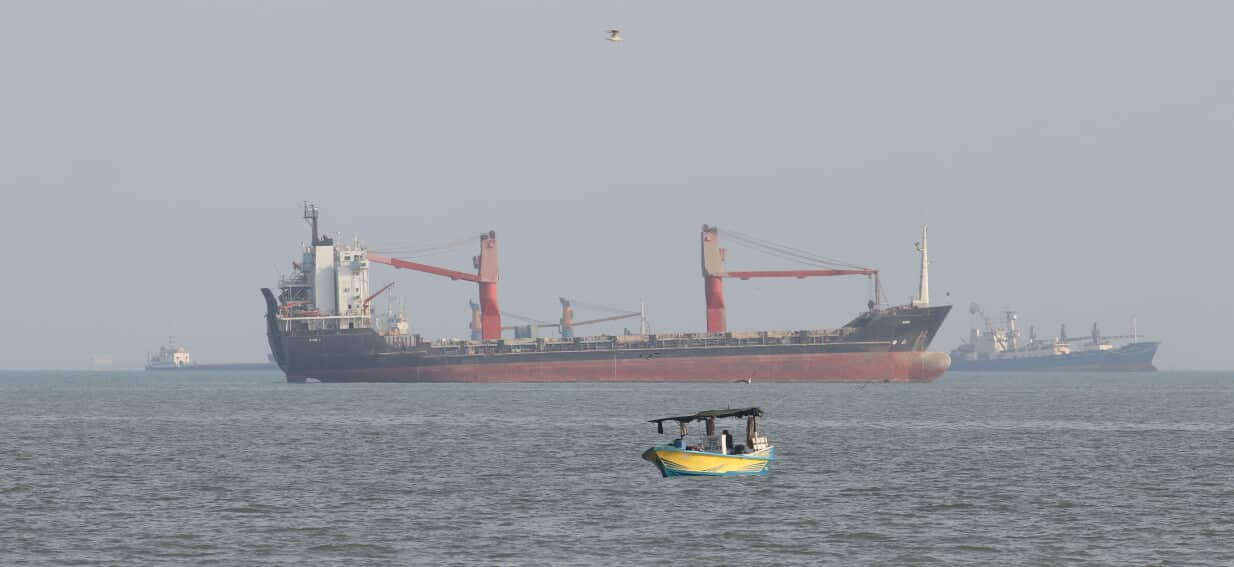
Seven oil tankers have been damaged across the Strait of Hormuz in an unprecedented single-day assault, heightening tensions across crucial Middle Eastern shipping lanes and threatening global energy security.
Simultaneous strikes ignite vessel blazes
SBS News Top Stories reported that Iranian officials confirmed the incidents, describing the wave of damage as the largest single-day toll recorded in the vital waterway. According to Iranian authorities, four of the commercial vessels were actively engaged in ship-to-ship oil transfers when they were targeted, subsequently catching fire and sending thick plumes of smoke over the Persian Gulf.
A further three tankers sustained severe hull damage after striking naval mines deployed along strategic transit routes. Emergency maritime response crews and regional tugs were deployed to contain blazes and prevent potential environmental disasters from leaking crude. While maritime monitoring agencies confirmed distress calls echoing across regional frequencies, no casualties were immediately verified.
Strategic choke point under siege
The Strait of Hormuz represents the world's most critical maritime transit corridor, through which roughly one-fifth of global petroleum consumption passes daily. Narrowing to just 39 kilometres at its tightest juncture between Oman and Iran, any disruption to navigation poses immediate systemic threats to international commerce.
The deployment of naval mines marks a particularly perilous shift in operational tactics, effectively converting commercial transit corridors into contested waters. International maritime safety bodies quickly raised risk alerts to their highest tier, urging commercial operators to exercise extreme caution or re-route away from the northern stretches of the strait.
Economic reverberations reach Australian shores
The shockwaves from the maritime incident reached global energy markets within hours, sending benchmark crude soaring and raising immediate alarms for Australian consumers. Analysts warned that prolonged instability in the strait could push domestic unleaded fuel prices well past $2.20 a litre across Sydney, Melbourne and Brisbane.
Maritime insurers responded swiftly by hiking war-risk premiums for vessels passing through the Persian Gulf, adding millions of Australian dollars to the cost of standard voyages. Australia remains acutely vulnerable to supply disruptions, relying on overseas refining hubs for more than 90 per cent of its refined transport fuels, which depend heavily on Middle Eastern crude inputs.
Heightened naval readiness across the Gulf
Diplomatic missions and multinational naval task forces operating in the Middle East have stepped up surveillance flights and surface patrols in response to the attacks. Western defence officials underscored the legal necessity of preserving open international sea lanes, while regional observers cautioned against precipitous retaliation that could trigger a wider regional conflict.
For now, maritime operators face the sobering prospect of navigating mine-strewn waters where the security guarantees of international law are being pushed to breaking point.


