
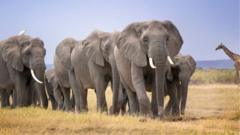
Nairobi: Kenyan wildlife authorities have launched an urgent investigation after 14 elephants were found dead under mysterious circumstances in the southern part of the country. The grim discovery represents the largest single mortality event in the area in decades, sparking widespread concern among conservationists and the global community.
The elephants, ranging from calves to adults, were found scattered across a remote section of the Amboseli ecosystem, a region renowned for its large elephant populations. Initial reports from BBC World indicate that the cause of death remains unknown, deepening the mystery surrounding the tragedy. Experts are working tirelessly to determine whether the deaths are a result of disease, poisoning, or another environmental factor.
Unprecedented Losses in Amboseli
The Amboseli ecosystem, located near the Tanzanian border, is a vital habitat for African elephants. For over 40 years, the region has been a focal point for elephant research and conservation, making the sudden loss of 14 individuals particularly devastating. Researchers from the Amboseli Trust for Elephants, a prominent conservation organisation, are assisting in the investigation, providing their extensive knowledge of the local herds and their behaviours.
The sheer number of deaths, coupled with the lack of immediate explanation, has sent shockwaves through the conservation community. While isolated elephant deaths are not uncommon due to natural causes or human-wildlife conflict, a cluster of this magnitude without obvious signs of trauma or poaching is highly unusual. The financial implications for Kenya, a nation heavily reliant on wildlife tourism, could also be significant, with each elephant representing a substantial draw for international visitors.
Speculation and Early Investigations
Investigators are exploring several potential avenues to explain the mass deaths. Disease outbreaks, particularly those rarely seen in wild populations, are a primary concern. Samples from the carcasses are being meticulously analysed in laboratories to identify any pathogens or toxins present. Local communities and rangers are also being interviewed for any unusual observations in the days leading up to the discovery.
Poaching, a perennial threat to African elephants, has largely been ruled out as the primary cause, given that the tusks of the deceased animals were reportedly intact. However, the possibility of deliberate poisoning, perhaps by agricultural chemicals or retaliatory attacks from farmers facing crop damage, cannot be entirely dismissed at this early stage. The remoteness of the area further complicates the investigation, making rapid response and evidence collection a challenge.
Global Ripples and Conservation Calls
The tragic deaths have resonated globally, prompting renewed calls for increased conservation efforts and greater protection for the continent's dwindling elephant populations. Australia, a committed supporter of international conservation initiatives, will be watching the developments closely. Experts fear that if the cause is an infectious disease, it could portend a wider crisis for Kenya's elephant population, an outcome that would have dire consequences for biodiversity and eco-tourism.
Kenyan authorities have assured the public and international partners that every resource is being mobilised to uncover the truth behind this devastating event. The focus remains on preventing further losses and safeguarding the future of these magnificent creatures in one of Africa's most iconic wildlife landscapes. The value of each elephant extends beyond its ecological role, contributing tens of thousands of Australian dollars to the local economy through tourism annually.