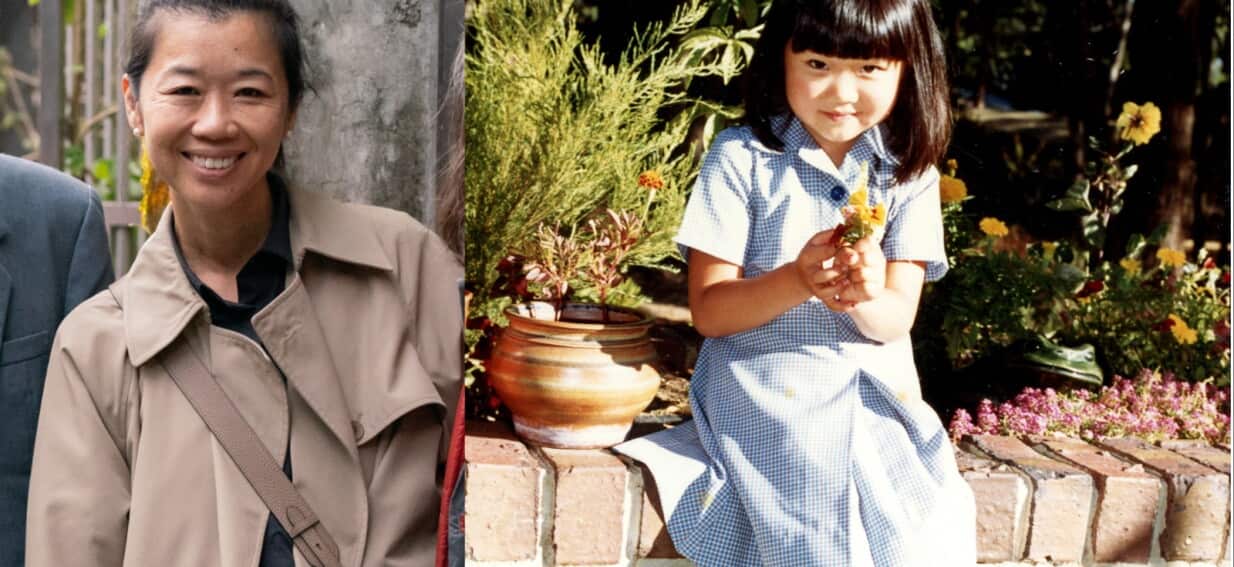
Vanessa, an Australian woman who prefers not to disclose her full name for privacy reasons, is living a nightmare she never could have imagined. What she understood for 40 years to be a loving adoption has been revealed as a cold, calculating transaction orchestrated by a pervasive international criminal network. Her story is not unique; SBS News Top Stories reported that Vanessa is just one of dozens globally now linked to this disturbing syndicate, unraveling a dark chapter in the history of overseas intercountry adoptions.
Her journey of discovery began not with a sudden revelation, but with persistent nagging doubts and a desire to understand her origins. Like many adoptees, she grappled with questions about her birth family and heritage. However, the answers she eventually unearthed, corroborated by extensive investigative journalism, painted a far more sinister picture than simple bureaucratic irregularities. Instead of being an orphan in need of a home, Vanessa was a commodity, her life traded for what would have been a significant sum in the 1970s and 80s.
The Unmasking of a Global Network
The criminal enterprise responsible for Vanessa's adoption, and many others, reportedly operated across multiple continents, exploiting vulnerabilities in international adoption laws and often targeting impoverished regions. The modus operandi varied but frequently involved falsifying birth records, coercing birth mothers, or outright stealing infants. For prospective parents desperate to adopt, these networks presented themselves as legitimate agencies, charging substantial fees — often tens of thousands of Australian dollars, ostensibly for legal and administrative expenses — while pocketing the lion's share of the profit.
The global reach of this network means that individuals like Vanessa are scattered across the world, from Australia to the United States and various European nations. The sheer scale of the operation suggests that hundreds, if not thousands, of adoptions could be fraudulent. The long-term impact on these individuals, now adults, is profound, shaking the very foundations of their identity and challenging their sense of belonging.
Australia's Quiet Complicity
While the criminal network operated internationally, Australia, like many Western nations, served as a destination for some of these trafficked infants. The demand for intercountry adoptions in Australia, particularly during periods when domestic adoptions were declining, unfortunately created an environment where such illicit activities could thrive. The processes then in place, while seemingly robust, were often susceptible to exploitation by determined and well-resourced criminals. It raises uncomfortable questions about the oversight and due diligence exercised by Australian authorities and adoption agencies at the time.
For many Australian adoptive parents, the news of these fraudulent adoptions is as devastating as it is for the adoptees themselves. They believed they were providing a loving home to a child in need, unaware that they were unwitting participants in a criminal enterprise. The emotional and ethical quandaries they now face are complex, as they reconcile their intent with the grim reality of their child’s origins.
The Lingering Trauma and Search for Truth
The psychological fallout for individuals like Vanessa is immense. Discovering that one's life began as an illegal transaction can lead to deep-seated trauma, a crisis of identity, and a profound sense of betrayal. Many are now embarking on arduous and emotionally draining quests to uncover the truth about their birth families, often with limited records and a wall of secrecy erected by the criminals involved.
There is a growing call for greater transparency, accountability, and support for these adoptees. Legal challenges are complex, spanning multiple jurisdictions and decades-old statutes of limitations. However, for Vanessa and others, the desire for justice and understanding far outweighs the practical difficulties. Their stories are a poignant reminder of the enduring human cost of unchecked illicit trade, even when it involves the most vulnerable members of society. As more details emerge from this ongoing investigation, the full extent of this dark chapter will undoubtedly force a re-evaluation of past adoption practices and hopefully lead to stronger safeguards for future generations.