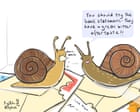
Persistent damp weather across eastern Australia is turning suburban letterboxes into five-star buffets for common garden snails, leaving frustrated residents to retrieve half-eaten bills, council notices and shredded personal correspondence.
While "snail mail" has long served as a wry colloquy for traditional post in an age of instantaneous digital communications, reports highlight that gastropods are taking the moniker quite literally. Guardian Australia Lifestyle reported that introduced common garden snails (Cornu aspersum) have developed an appetite for envelopes and standard paper stocks, turning timber and metal letterboxes into humid dining chambers.
High-profile paper feasts
The culinary preferences of these common garden pests are not discerning, with even historic correspondence falling victim to their nocturnal grazing. Ecologist Simon Mustoe documented losing a cherished letter from broadcaster and naturalist Sir David Attenborough after snails breached his postal receptacle and consumed the document before it could be filed.
The phenomenon extends well beyond Australian front gardens. In the United Kingdom, a Royal Mail postbox in the northern county of Northumberland was previously forced into temporary decommission after postal workers discovered a persistent congregation of molluscs systematically devouring parcels and letters dropped into the collection pillar.
The science behind the cellulose appetite
The attraction to correspondence is fundamentally nutritional. Traditional envelopes, printing paper and parcel wrappings are manufactured largely from plant-based cellulose fibres sourced from wood pulp. For a gastropod, this material represents an abundant, easily digestible carbohydrate.
During and immediately following periods of wet weather, snails seek elevated, dark and humid refuges to avoid saturated topsoil, pooled water and diurnal predators. Domestic letterboxes offer an ideal microclimate: they are raised off the ground, shielded from the sun and drying winds, and frequently retain ambient moisture. Once inside, the damp air softens the paper, allowing snails to rasp away the fibres using their radula—a specialised tongue lined with microscopic rows of chitinous teeth.
Backyard forums sounding the alarm
Frustration among recipients has spilled onto community platforms. On forums hosted by hardware giant Bunnings, suburban gardeners have swapped stories of envelopes stripped of their addresses within hours of delivery. Contributors reported that hungry gastropods can consume an entire letter within two days, leaving behind little more than clear plastic envelope windows, synthetic adhesive strips and a network of silver mucus trails.
The destruction poses a particular nuisance for homeowners awaiting formal notices, cheques or identity documents that require physical transit.
Fortifying the front fence
Gardeners and pest management specialists suggest several low-impact countermeasures to protect the post without endangering domestic pets or native birds.
Affixing self-adhesive copper tape around the supporting post or the base of the receptacle serves as an effective deterrent; copper generates a minor electrostatic and biochemical reaction against snail slime that prevents the creatures from crossing. Keeping surrounding vegetation, creeping vines and tall grass trimmed back from the letterbox also eliminates natural bridges. Alternatively, installing tight-fitting rubber seals or draught-excluding brushes along mail slots can physically bar ingress while keeping paper supplies dry during prolonged downpours.