
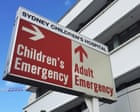
Sydney's public hospital system is teetering on the brink of overload, with emergency departments experiencing their busiest winter day on record, prompting an urgent plea from health officials for the public to reconsider non-essential visits. Medical staff are now bracing for what they predict will be the “worst three weeks of the year” as the full force of the winter flu season takes hold.
NSW Health Minister Ryan Park revealed a staggering 10,000 individuals presented to Sydney’s emergency departments on Monday – a figure approximately 1,000 higher than the daily average and marking the “biggest ever recorded winter day in history” for presentations. The unprecedented surge has placed significant strain on resources, staff, and bed availability across the metropolitan area.
Unprecedented Demand Overwhelms Frontlines
The sheer volume of patients arriving at emergency rooms underscores a health system struggling to cope with burgeoning demand. While winter always brings an increase in respiratory illnesses, this season's intensity appears to be surpassing previous years. Doctors and nurses on the front lines are reportedly stretched thin, working tirelessly to manage the influx of sick individuals requiring urgent attention. The Guardian NSW politics reported that this surge has led to critical resource allocation decisions, with a focus on life-threatening conditions.
The majority of presentations are understood to be related to respiratory infections, including influenza and other seasonal viruses, which often exacerbate existing chronic conditions in vulnerable populations. The strain is not just on medical personnel but also on the infrastructure, with waiting times expected to lengthen considerably for non-critical cases.
Averting a System-Wide Crisis
In response to the escalating situation, Health Minister Park issued a stern warning to the public: “If your life might be in danger, please present to your local emergency department. But if your condition is not life-threatening, we are urging you to consider other options.” This direct appeal highlights the critical need to preserve emergency services for those in genuine peril, such as stroke victims, heart attack patients, or severe trauma cases. The aim is to prevent the system from being overwhelmed to the point where it cannot effectively respond to true emergencies.
Alternative care pathways, such as GPs, after-hours medical services, or virtual care options, are being promoted as primary alternatives for less severe ailments. The messaging from health authorities is clear: thoughtful consideration of one’s symptoms and the appropriate level of care is paramount to supporting the beleaguered health system during this challenging period.
The Looming Three-Week Battle
The stark warning of the “worst three weeks of the year” suggests that health officials anticipate the peak of the winter illness season is yet to come. This projection is based on epidemiological data and historical patterns, indicating that the pressure on hospitals is likely to intensify before any relief. Hospital administrators are reportedly enacting contingency plans, including deferring non-urgent elective surgeries where possible, to free up beds and staff.
The long-term implications of sustained pressure on emergency departments are considerable, impacting staff morale, patient outcomes for less urgent conditions, and the overall efficiency of the health system. The government faces a significant challenge in managing public expectations while simultaneously supporting its healthcare workforce through this exceptionally demanding period. The focus remains on navigating the immediate crisis while planning for the anticipated surge in the coming weeks, ensuring that essential services remain accessible for those who need them most.