
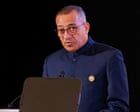
Voters in the picturesque West African island nation of São Tomé and Príncipe will head to the polls this Sunday for a pivotal presidential election, as the tiny nation strives to solidify its democratic standing on the global stage. Incumbent President Carlos Vila Nova faces a unique challenge, running as an independent against the very political machinery that once propelled him to power.
Reuters World reported that approximately 142,000 citizens are registered to cast their ballots in this crucial election. Notably, about 15 per cent of these registered voters reside in the diaspora, highlighting the transnational reach of the nation's political landscape and the deep connections its ex-pat community maintains with their homeland.
A Test of Democratic Resolve
São Tomé and Príncipe, one of Africa's smallest and least populous nations, is often lauded for its relatively stable democratic processes in a region sometimes marked by political turbulence. This election, however, presents a significant test of that reputation. The contest between President Vila Nova and his former party is likely to be fiercely fought, potentially leading to a period of political uncertainty regardless of the outcome.
Observers from various international bodies are expected to monitor the election, reinforcing the nation's commitment to transparent and fair electoral practices. The focus will be not just on the results themselves, but also on the integrity of the voting process, given the close nature of the race and the stakes involved. A smooth and credible election will undoubtedly burnish São Tomé and Príncipe's democratic credentials, attracting further international confidence and potential investment – a crucial factor for an island economy heavily reliant on tourism and aid.
The Independent Challenge
President Vila Nova's decision to seek re-election as an independent candidate rather than under the banner of his former Democratic Movement Force for Change party (MDFM-PL) adds a fascinating dynamic to the electoral contest. This move suggests a potential fracturing within the established political order, or perhaps a strategic effort by the incumbent to appeal directly to voters beyond partisan lines. Such a political manoeuvre, while not unprecedented in democratic systems, often signals deep internal disagreements or a perceived lack of endorsement from traditional party structures.
Running as an independent necessitates a different campaigning strategy, relying more on personal charisma and a direct appeal to the electorate's will rather than the logistical and financial support of a large political party. This could be an uphill battle, especially in a small country where party affiliations can run deep within communities.
Diaspora's Crucial Role
The considerable proportion of registered voters living overseas, approximately 21,300, underscores the significant influence of the diaspora in São Tomé and Príncipe's political future. These expatriate communities, often residing in former colonial power Portugal or other European nations, maintain strong ties to their homeland and their votes can be decisive in close contests.
Engaging this demographic effectively requires extensive outreach and logistical planning from all campaigns. The issues that resonate with the diaspora, such as economic opportunities back home, political stability, and remittances, often differ from those prioritised by domestic voters. Therefore, candidates must craft comprehensive platforms that address the concerns of both segments of the electorate to secure victory on Sunday. The outcome of this election will not only shape the next term for São Tomé and Príncipe but also serve as a barometer of its democratic strength and maturity.