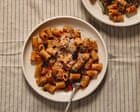
Home cooks seeking to elevate their midweek pasta dinners need look no further than fundamental kitchen discipline, with culinary experts challenging long-held assumptions regarding fresh pasta, seasoning levels, and sauce emulsion.
While pasta remains an indispensable weeknight staple across Australian households, the discrepancy between restaurant-quality fare and domestic execution often comes down to basic kitchen craft. As Guardian Australia Lifestyle reported, celebrated Melbourne-based author and cook Julia Busuttil Nishimura has outlined key techniques to overhaul home preparation, dispelling the belief that exceptional pasta requires elaborate labour or delicate fresh sheets.
The Dried Versus Fresh Fallacy
A persistent myth in modern domestic cookery posits that fresh, refrigerated egg pasta represents the pinnacle of the craft, regardless of the accompanying preparation. Yet culinary authorities emphasise that dried pasta is neither a compromise nor a lesser substitute. High-quality, slow-dried extruded pasta—particularly varieties cut with traditional bronze dies—possesses a rough, porous exterior specifically engineered to trap and hold rich emulsified sauces.
While delicate egg pasta pairs seamlessly with gentle butter or truffle preparations, robust weeknight staples such as classic ragùs, aglio e olio, and seafood sauces demand the structural integrity and textural chew of good dried durum wheat semolina. For time-conscious households, investing in a reliable dry packet, rather than splurging on fresh supermarket alternatives, often yields a markedly superior dinner.
The Chemistry of Pasta Water and Emulsion
A frequent pitfall identified in domestic kitchens is a watery, disconnected sauce pooled at the base of the bowl. Professional kitchens resolve this by treating the cooking vessel not merely as a bath, but as an ingredient reservoir. Guardian Australia Lifestyle reported that generous salting of the cooking water remains non-negotiable; insufficient seasoning at this initial phase cannot be salvaged at the table.
Furthermore, the starchy, cloudy water left behind in the pot provides the critical binding agent needed to pull a dish together. By transferring the pasta directly into the sauce pan alongside a splash of this hot, starch-rich liquid, cooks create a glossy, cohesive emulsion. The mechanical action of tossing the pasta violently over heat allows the fat and starch to marry, clinging to the noodles rather than weeping onto the plate.
Liberality with Olive Oil and Final Restraint
Beyond water control, success relies heavily on fat management. Reluctance to use adequate extra virgin olive oil often leaves home sauces tasting flat and thin. A liberal hand with cold-pressed olive oil imparts body, lustre, and essential peppery notes that elevate simple ingredients like garlic, anchovy, and greens.
Equally vital is resisting the urge to drown the pasta in an excessive volume of sauce. In the traditional Italian idiom championed by Nishimura, pasta is the star of the dish rather than a neutral vehicle for heavy dressing. By treating cooking as an exact sequence of seasoning, tossing, and finishing, domestic cooks can transform a hasty weeknight fallback into an exceptional meal without leaving the pantry.