Before the era of immersive dining and escape rooms, Melbourne's late 1990s entertainment landscape was dominated by the exuberant, often raucous, theatre restaurant. For one budding performer, it was a dramatic entry into the industry, complete with chandeliers, string trios, and the occasional airborne bread roll.
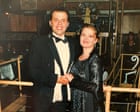
In 1998, fresh from the cinematic success of James Cameron's Titanic, an amateur musical theatre enthusiast and creative arts student landed a role in a novel production. A historic Melbourne hotel was ingeniously transformed: its upper level became the opulent first-class dining room, while the ground floor recreated the bustling, less glamorous steerage deck. This elaborate setting provided the backdrop for a Titanic-themed theatre restaurant, offering patrons a taste of both luxury and maritime disaster.
All Aboard for Disaster (and Dinner)
The concept was simple yet ambitious. Guests were assigned either first-class or steerage tickets, directing them to their respective dining areas. The performers, embodying roles from the ill-fated liner, interacted with the audience throughout the evening. "We always hit an iceberg, but were often hit by bread rolls too," one former cast member revealed to Guardian Australia Lifestyle, painting a vivid picture of the interactive, and occasionally anarchic, atmosphere. The average ticket price for such an experience was typically around $60-$80, including a two-course meal and the show.
Performers navigated the dual role of actor and waiter, delivering lines and meals with equal gusto. The menu, while perhaps not gourmet, played a supporting role to the theatrical spectacle. Drinks, often watered down according to the Guardian Australia Lifestyle report, flowed freely, further enlivening the already boisterous crowd. This unique blend of dining and drama created an unforgettable night out for many Melburnians.
Melbourne's Theatrical Feast
Melbourne in the late 1990s was a hotbed for this unique entertainment genre. Establishments like Dracula’s, Witches in Britches, and The Looney Bin carried on the legacy of 1970s pioneers Dirty Dicks and The Last Laugh. These venues weren't just about a meal; they were about an escape into a themed world, complete with bawdy jokes, themed song parodies, and lively audience participation. It was an era where the distinction between performer and server often blurred, and the fourth wall was routinely shattered.
For many aspiring actors and performers, these theatre restaurants offered invaluable stage time and experience. The demands were high: memorising lines, serving food, singing, dancing, and improvising with an unpredictable audience. It was a rigorous training ground that honed comedic timing, stage presence, and the ability to think on one's feet.
Navigating the Unpredictable Waters
Life as a Titanic performer was rarely dull. The interaction with patrons, while central to the show's appeal, also presented its challenges. Bread rolls, as reported by Guardian Australia Lifestyle, weren't the only projectiles. The nature of the performance meant performers had to be quick-witted and resilient, ready to incorporate unexpected audience interjections into the narrative or deftly dodge an errant item.
The energy of the crowd often mirrored the dramatic arc of the show, culminating in the inevitable sinking and a boisterous, if not entirely sombre, farewell. Despite the potential for chaos, the shared experience between cast and audience forged a unique bond, creating a memorable night that went far beyond a traditional theatre visit or restaurant meal.
This vibrant period in Melbourne's entertainment history may have faded, but the stories of these theatrical dining experiences, where an iceberg was a nightly fixture and audience participation could be deliciously unpredictable, continue to fascinate. They represent a unique chapter in the city's cultural tapestry, offering a glimpse into a time when dinner and a show meant something truly extraordinary.