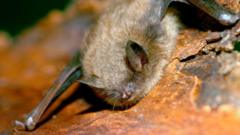
A nightmare unfolded for a Canadian family last month, culminating in the tragic death of their 11-year-old son from rabies – a disease virtually unheard of in humans in the country. The boy, whose name has not been released, contracted the deadly virus after waking up to a bat on his face.
The devastating incident, first reported by BBC World, sent shockwaves through the community and served as a stark reminder of the persistent danger posed by unvaccinated wildlife, even in developed nations. Medical authorities in Canada have confirmed the boy’s passing, making him only the 29th human fatality from rabies in the nation since records began in 1924, an astonishingly low figure that underscores the rarity of such an event.
A Silent, Insidious Killer
The details surrounding the boy's exposure are particularly harrowing. He awoke in his bed to discover a bat on his face, an alarming encounter that quickly turned fatal. While the family immediately sought medical attention, the insidious nature of rabies meant that early symptoms were easily mistaken for common childhood ailments. Rabies typically has an incubation period of a few weeks to several months, during which the infected individual appears healthy. Symptoms often include fever, headache, and general weakness, before progressing to neurological signs such as confusion, hallucinations, and paralysis.
By the time the characteristic neurological symptoms of rabies began to manifest, it was tragically too late. The boy rapidly deteriorated, and despite intensive medical interventions, succumbed to the disease. This case serves as a grim illustration of why immediate post-exposure prophylaxis (PEP) – a series of vaccinations and immunoglobulin injections – is critically important following any potential exposure to rabies, especially from bats, which are known vectors for the virus.
The Rarity of Human Rabies in Canada
Canada has an enviable record in controlling rabies within its human population. The comprehensive vaccination programs for domestic animals, alongside robust public health surveillance and swift intervention protocols, have largely confined the disease to wildlife populations. The 28 human deaths recorded prior to this recent tragedy over nearly a century demonstrate the effectiveness of these measures.
However, the presence of rabies in wildlife, particularly bats, remains a persistent threat. According to public health authorities, bats are the most common source of rabies infection in Canada, accounting for the vast majority of cases in animals that transmit the disease to humans. This latest incident underscores the need for continued public awareness regarding the dangers of bat contact, and the critical importance of seeking immediate medical advice after any potential exposure, even if no bite or scratch is apparent.
Protecting Against a Deadly Foe
For most Australians travelling abroad, and indeed for those encountering wildlife at home, understanding rabies prevention is crucial. The cost of a full course of rabies vaccination as a pre-exposure measure for travellers can be significant, ranging from approximately A$300 to A$500 per dose, with multiple doses typically required. However, for those at high risk or traveling to rabies-endemic regions, this investment is considered invaluable.
Experts stress that any direct contact with a bat, regardless of whether a bite is visible, should be treated as a potential exposure. Bats have tiny teeth, and their bites can be imperceptible. If such an incident occurs, thorough washing of the affected area with soap and water immediately, followed by an urgent visit to a doctor or hospital, is paramount. This allows for a prompt assessment of the risk and, if necessary, the administration of life-saving post-exposure prophylaxis, which is nearly 100 per cent effective if given before symptoms appear.