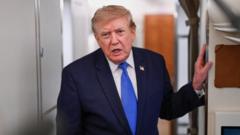
Washington D.C. — US President Donald Trump has once again dangled the prospect of a diplomatic resolution to the simmering tensions with Iran, suggesting that fresh talks could commence as early as next week. The dramatic announcement, made from the White House, has been met with a conspicuous silence from Tehran, leaving international observers and financial markets on edge.
Trump’s overture follows a period of heightened hostilities in the Persian Gulf, which has seen oil prices fluctuate wildly, impacting Australian petrol bowsers and the nation's broader economic outlook. The Australian dollar has also felt the ripple effects of the geopolitical instability, with analysts closely monitoring developments.
A History of False Starts
This is not the first time President Trump has intimated that a negotiated end to the protracted dispute with the Islamic Republic is imminent. Previous pronouncements of breakthroughs have frequently been followed by renewed military strikes or escalating rhetoric, eroding confidence in the White House's ability to secure a lasting peace. BBC World reported that Tehran has consistently shown reluctance to engage in direct talks with the Trump administration since the US unilaterally withdrew from the landmark 2015 Iran nuclear deal, officially known as the Joint Comprehensive Plan of Action (JCPOA), in 2018.
The previous agreement, which saw Iran curtail its nuclear program in exchange for sanctions relief, was vehemently opposed by Trump, who deemed it too lenient. His administration subsequently reimposed crippling sanctions, severely impacting Iran's economy and its ability to sell oil on the international market, a move that has been widely criticised by European allies and international bodies.
The Unspoken Terms of Engagement
Details surrounding the proposed new talks remain scarce. It is unclear what concessions, if any, the Trump administration might be prepared to offer, or what new demands would be placed on Tehran. Previous US demands have included an end to Iran's ballistic missile program, its support for regional proxy groups, and a more stringent nuclear agreement. Iran, for its part, has consistently called for the lifting of all US sanctions as a prerequisite for any meaningful negotiations.
The silence from Tehran is particularly noteworthy. Analysts suggest it could be a tactic to gauge the seriousness of Trump's offer, or a reflection of internal divisions within the Iranian leadership regarding the wisdom of engaging with an administration that has shown such unpredictability. The political landscape in Iran is complex, with various factions holding differing views on how best to navigate the current crisis.
Australian Stakes in the Gulf
For Australia, the stability of the Persian Gulf is of paramount importance. A significant portion of the nation's oil imports transits through the Strait of Hormuz, a narrow waterway that has been a focal point of recent tensions. Any major disruption to shipping in the region could send shockwaves through the Australian economy, leading to higher fuel costs for consumers and businesses alike.
The Department of Foreign Affairs and Trade (DFAT) has consistently urged all parties to exercise restraint and pursue de-escalation through diplomatic channels. Australian citizens residing in or travelling through the region have also been advised to exercise a high degree of caution due to the volatile security situation. The coming days will be crucial in determining whether President Trump's latest diplomatic gambit can pave the way for genuine dialogue or if it will simply become another chapter in the ongoing saga of Mideast brinkmanship.