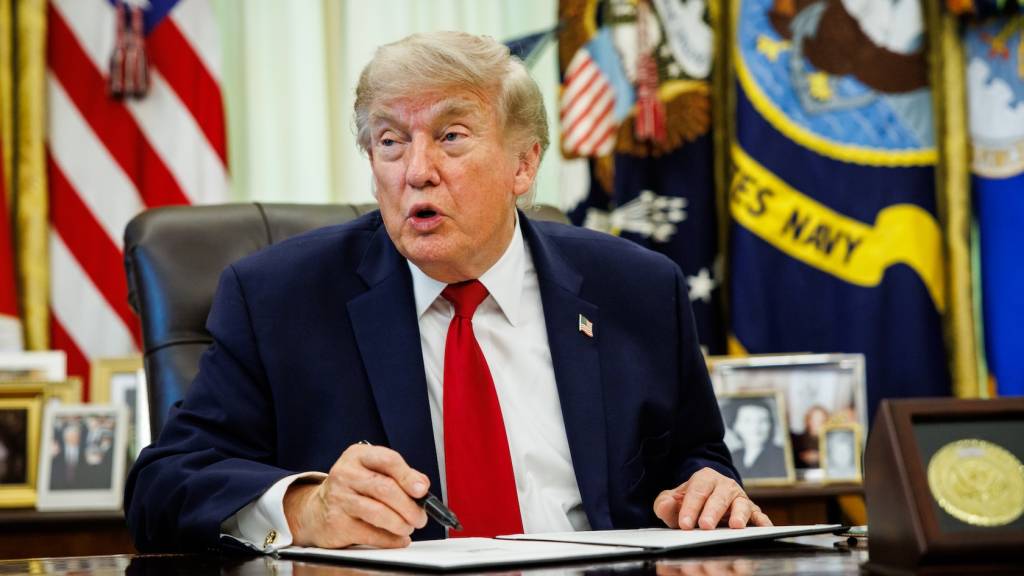
WASHINGTON D.C. – Former US President Donald Trump has endured a series of stinging defeats at the hands of the nation's highest court, with rulings impacting mail-in voting, the Federal Reserve, and a high-profile defamation case. The judicial setbacks arrive amidst a backdrop of global unrest, highlighted by a horrific mass shooting in Germany.
The Supreme Court, comprising a conservative majority including three justices appointed by Trump himself, handed down several decisions that have put a dent in his ongoing political and legal battles. Crikey reported that these reverses collectively underscore the limits of presidential power, even for a figure as litigious as Trump.
Mail-in Voting Hurdles Remain
One significant defeat came in a case related to mail-in voting, an issue Trump has repeatedly railed against, often baselessly alleging widespread fraud. The Court declined to hear an appeal that sought to validate restrictions on postal ballots, effectively upholding existing rules that facilitate voting by mail in various states. This decision is a blow to Republican efforts to limit mail-in voting, a method that saw unprecedented use during the COVID-19 pandemic and which Trump continues to frame as susceptible to irregularities.
Legal experts suggest this ruling signals the Court's reluctance to intervene broadly in state-level election procedures, particularly when such interventions could be perceived as politically motivated. For Trump and his allies, who have consistently sought to tighten voting laws, this outcome represents a lost opportunity to reshape the electoral landscape ahead of future polls.
Fed Transparency Efforts Stymied
Adding to Trump's legal woes, the Supreme Court also weighed in on a case concerning the Federal Reserve, the powerful central bank of the United States. While the specifics of the ruling are complex, Crikey noted that the outcome did not favour arguments pushing for greater external oversight or a more direct presidential influence over the Fed's independent operations. Trump, during his presidency, often publicly criticised the Fed's decisions and sought to exert greater control over its monetary policy, viewing it as an impediment to his economic agenda.
This ruling reaffirms the Fed's traditional independence from direct political interference, a principle widely considered crucial for maintaining economic stability and preventing partisan manipulation of monetary policy. For any future president, including potentially Trump himself, this decision reinforces the boundaries of executive power concerning the nation's financial institutions.
E. Jean Carroll Defamation Case Progresses
Perhaps most personally impactful for Trump was the Court's refusal to shield him from a defamation lawsuit brought by writer E. Jean Carroll. Carroll alleges that Trump defamed her when he denied her accusation of sexual assault. Trump had sought to have the case dismissed or significantly delayed, arguing presidential immunity. However, the Supreme Court's decision allows the civil case to proceed, opening the door for further legal proceedings and potential financial penalties. This represents a significant personal legal challenge for Trump, who has consistently dismissed Carroll's claims.
German Centre Targeted in Horrific Attack
Amidst these US legal developments, a grim story emerged from Germany, where a suspect has been taken into custody following a mass shooting that left six people dead at a centre for mothers and children. The incident, details of which are still unfolding, has sent shockwaves across Europe and serves as a stark reminder of the indiscriminate nature of gun violence. While unrelated to Trump's legal battles, the timing of the event underscores the breadth of serious news dominating international headlines this week. German authorities are investigating the motive behind the attack, which has prompted widespread condemnation and calls for heightened security at such vulnerable community centres.