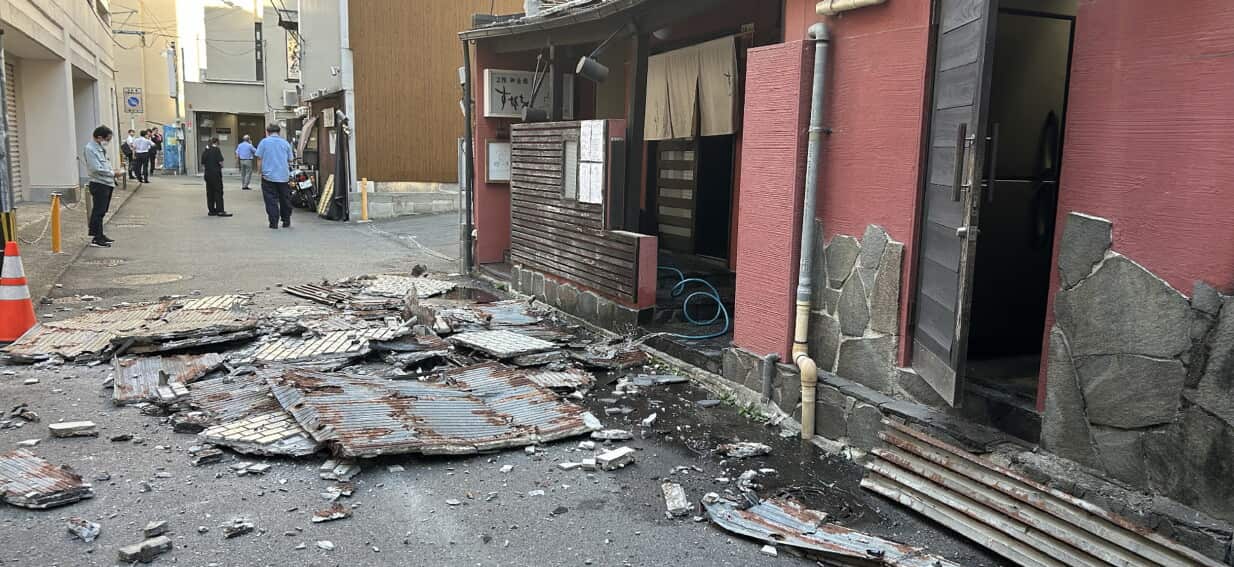
A powerful 7.0 magnitude earthquake has struck off the coast of Japan's southern Kyushu island, prompting immediate tsunami warnings for coastal areas and leaving more than 20,000 homes without power. The tremor, which hit just after 10:00 AM AEST, has sent ripples of concern through the region, though early reports indicate no major casualties.
The Japan Meteorological Agency (JMA) swiftly issued a tsunami advisory for Nishinomiya, Imari, and other coastal localities, urging residents to evacuate to higher ground. Initial wave heights were predicted to be up to one metre, with the first waves observed shortly after the quake. This advisory has since been downgraded or lifted for some areas, but vigilance remains high as aftershocks continue to be felt.
Power outages and infrastructure checks
Electricity provider Kyushu Electric Power confirmed widespread outages affecting approximately 22,000 households across Kumamoto and Miyazaki prefectures. Teams are currently mobilised to assess damage to infrastructure and restore power, a critical operation given the potential for disrupting emergency response efforts. Transport networks including bullet trains were temporarily halted for safety checks, a standard protocol in earthquake-prone Japan, to ensure track integrity and passenger safety before resuming services.
While no immediate reports of significant structural damage to buildings have emerged, authorities are conducting thorough assessments. Japan, known for its stringent building codes designed to withstand seismic activity, often fares better in such events than countries with less robust infrastructure. However, older buildings and those not up to modern standards remain a concern, particularly in remote or less developed areas of Kyushu.
Australia's travel advice reviewed
The Australian Department of Foreign Affairs and Trade (DFAT) swiftly updated its travel advice for Japan, urging Australians in the affected regions to monitor local media – including SBS News Top Stories, which initially reported on the incident – and follow the instructions of local authorities. While the overall travel advisory level for Japan remains unchanged, specific warnings about tsunami risk in Kyushu have been highlighted. Australians planning to travel to the region are advised to postpone non-essential trips until the situation stabilises and to have comprehensive travel insurance that covers natural disasters.
Ambassador to Japan, Richard Court, has confirmed that the embassy is closely monitoring the situation and is prepared to offer consular assistance to any Australians impacted. However, there have been no reports of Australian citizens requiring assistance at this stage.
Learning from past seismic events
Japan sits on the pacific “Ring of Fire,” an area notorious for frequent and powerful earthquakes. The nation has a long history of dealing with seismic activity and has implemented some of the world's most advanced disaster preparedness strategies. This includes early warning systems, strict building regulations, and regular public drills, all of which play a crucial role in mitigating the impact of such natural disasters.
The immediate response to this latest quake, including the rapid issuance of tsunami warnings and swift activation of emergency services, demonstrates Japan's preparedness. While the human toll appears to be minimal so far, the economic and social disruption in affected communities is expected to be considerable, with recovery efforts likely to extend over several weeks or months. The resilience of the Japanese people and their robust infrastructure will be key to navigating the aftermath.