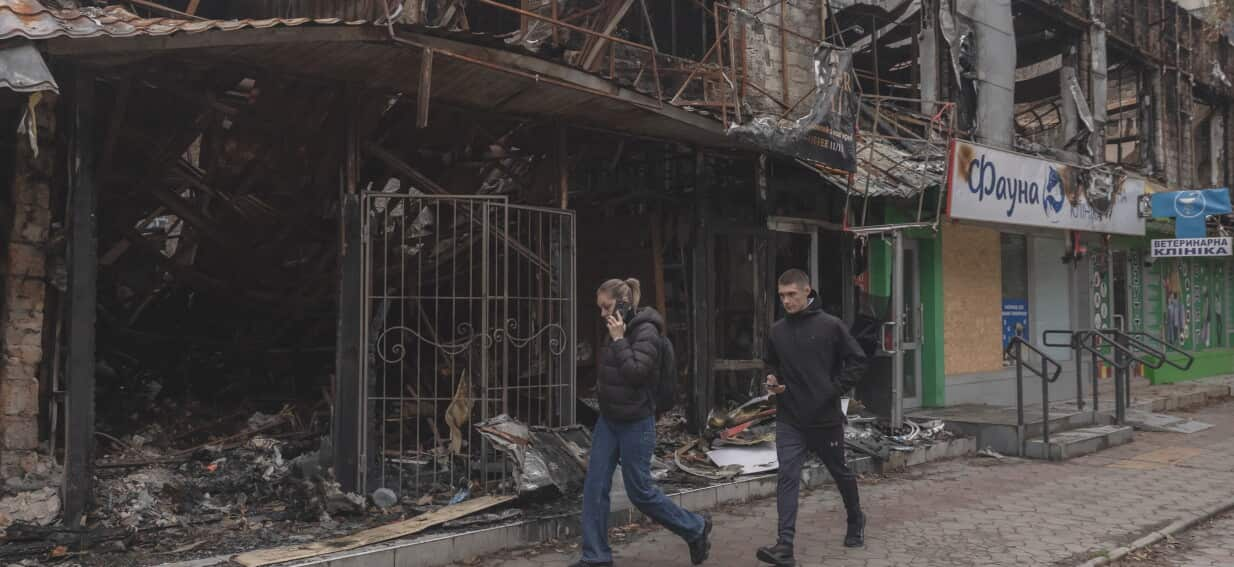
Thousands of Ukrainians have received false alerts of imminent radiation hazards after hostile foreign interference compromised the nation's primary civilian air-raid notification network, triggering widespread panic as a fragile ceasefire collapsed.
Phantom radiation warnings sow civilian panic
The breach struck the smartphone application relied upon by millions of citizens to seek shelter from incoming ballistic missiles, loitering munitions, and heavy artillery. SBS News Top Stories reported that the digital infiltration triggered automated warnings of an impending nuclear or radiological hazard, ordering residents across several urban centres to immediately seal windows and take shelter.
Ukrainian cyber authorities quickly scrambled to contain the intrusion, confirming that the unauthorised messages were the product of targeted "hostile interference" designed to incite panic. While technical teams worked to isolate the compromised servers and revoke rogue access keys, civil defence officials were forced to deploy backup communication channels, including radio broadcasts and verified messaging channels, to reassure an anxious public that radiation levels remained normal.
Cyber sabotage timed with truce collapse
The digital sabotage coincided precisely with the formal termination of the war's longest-running localised truce, raising grave concerns about a co-ordinated escalation in hybrid warfare. For months, quiet tactical pauses in specific combat sectors had provided rare relief for beleaguered communities near the contact lines, offering a brief reprieve from round-the-clock bombardment.
Military analysts suggest the timing of the breach was calculated to compound the psychological strain on a population already bracing for renewed kinetic assaults. By injecting false nuclear terror into civilian households at the exact moment combat operations resumed, the perpetrators exploited the population's acute vulnerabilities. Ukrainian officials have repeatedly accused Moscow of deploying state-sponsored hacking syndicates to disorient non-combatants and disrupt civil administration.
Psychological warfare strikes critical digital systems
The targeting of Ukraine’s air-raid alert ecosystem marks an alarming development in the weaponisation of essential civil defence infrastructure. Since the early days of the full-scale invasion, digital warning systems have served as a vital digital lifeline, often providing civilians with just minutes to reach fortified bunkers or underground metro stations before impact.
Compromising the credibility of such platforms threatens to erode civilian compliance during authentic emergencies. Western security specialists note that false alarms risk breeding "warning fatigue", which could deter residents from seeking safety during subsequent, genuine missile strikes. Similar denial-of-service and data-wiping campaigns have repeatedly targeted municipal utilities, financial institutions, and government portals throughout the conflict, demonstrating an enduring doctrine of unconventional warfare.
Frontline communities brace for renewed bombardment
With the cessation of the protracted truce, artillery exchanges and aerial operations have immediately flared along key axes of the eastern and southern fronts. Civilians residing in frontline settlements, who had grown cautiously accustomed to intermittent quiet, once again face relentless barrages and power outages.
Emergency crews and municipal defence units remain on high alert, working to fortify public utility networks and maintain municipal resilience. As international observers monitor the deteriorating security environment, the dual threat of kinetic strikes and insidious cyber incursions underscores the complex, multi-domain battlefield confronting Ukraine's civilian population.