
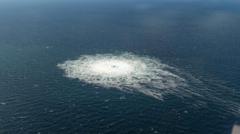
German authorities have formally charged a Ukrainian national in connection with the audacious 2022 sabotage of the Nord Stream gas pipelines, an act that sent shockwaves through European energy markets and heightened geopolitical tensions. The development, as reported by BBC World, presents a significant diplomatic challenge for Kyiv and its relationship with Berlin, a crucial ally in its ongoing conflict with Russia.
The suspect, whose identity has not been publicly released by German officials, stands accused of participating in the clandestine operation that reportedly aimed to cripple critical energy infrastructure. The Nord Stream 1 and 2 pipelines, central to delivering Russian natural gas to Germany, suffered multiple explosions in September 2022, leading to massive gas leaks in the Baltic Sea. While the pipelines were not operational at the time of the blasts due to Russia’s invasion of Ukraine and subsequent energy disputes, the incident was widely condemned as an act of international sabotage.
Explosive Allegations and Kyiv's Denial
The charges follow an extensive and complex investigation spanning over a year, involving multiple European nations. While details surrounding the evidence against the Ukrainian national remain scarce, the official nature of the charges from German prosecutors indicates a substantial level of confidence in the case. BBC World reported that the allegations place the suspect at the heart of a sophisticated plot, raising uncomfortable questions about potential state or proxy involvement. Kyiv has, however, wasted no time in issuing a fervent denial. A spokesperson for the Ukrainian government reiterated that Ukraine had no involvement in the Nord Stream explosions and called for transparency in the ongoing German investigation.
Geopolitical Ripples in the Baltic Sea
The Nord Stream blasts have been a source of intense speculation and accusation since they occurred. Western nations, including Germany, initially pointed fingers at Russia, citing Moscow's history of leveraging energy as a political weapon. Russia, in turn, vehemently denied responsibility and accused Western intelligence agencies of orchestrating the attack. The current charges shift the focus squarely towards Ukraine, presenting a new and potentially damaging narrative. The broadsheet community has been keenly following this geopolitical mystery, with outlets globally dissecting every piece of information emerging from the various investigations.
Australia's Stake in European Security
For Australia, a staunch supporter of Ukraine's sovereignty and a key player in global energy markets, these developments are being watched closely. The integrity of critical infrastructure and the stability of European energy supplies have direct implications for global trade and security. While Australia is geographically distant from the Baltic Sea, the economic and political ramifications of such acts of sabotage resonate worldwide. A disruption to European energy security can trigger volatility in global markets, impacting everything from commodity prices to the broader geopolitical landscape that Australia navigates. The accusations against a Ukrainian national threaten to complicate the united front many Western nations have presented in their support for Kyiv, potentially straining diplomatic ties with a crucial partner like Germany.
The Path Ahead: A Fraught Investigation
German authorities now face the delicate task of pursuing justice while navigating the politically charged environment. The precise motive behind the alleged Ukrainian involvement, if proven, remains a critical unresolved question. Was this an unsanctioned act by a rogue operative, or did it have deeper, more troubling connections? German prosecutors will likely need to present compelling evidence to withstand the immense scrutiny from all sides, particularly given the implications for international relations. The outcome of this investigation holds the potential to significantly reshape perceptions of the conflict in Ukraine and the complex web of alliances and antagonisms underpinning European security.