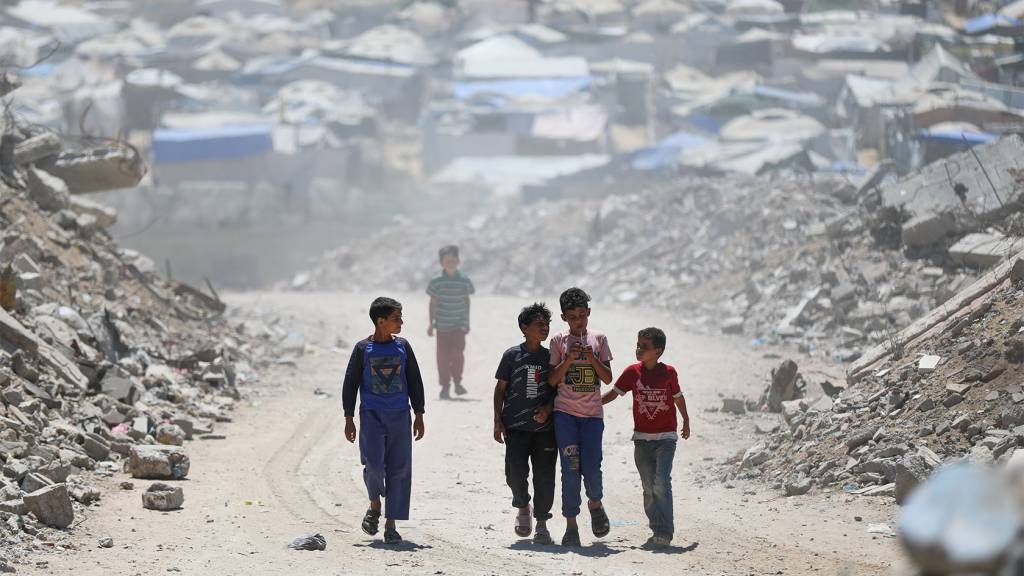
A United Nations body has compiled a comprehensive report detailing the purposeful targeting and killing of Palestinian children by Israeli forces, a revelation so stark it “betrays understanding,” as first reported by Australian independent news outlet Crikey.
The report, which is unlikely to reach a broad audience, outlines a disturbing pattern of violence that has left countless young lives extinguished and entire communities scarred. Its findings, according to Crikey, are enough to induce a profound sense of despair in anyone who confronts them.
Unveiling a Disturbing Pattern
The report meticulously documents incidents where Palestinian children have been killed, often in circumstances that defy justification. It’s understood that the UN body examined a vast array of evidence, including eyewitness testimonies, medical records, and forensic analyses, to arrive at its damning conclusions. The focus on “deliberate targeting” is particularly egregious, suggesting more than just collateral damage in conflict. Instead, it points to calculated actions with devastating consequences for the most vulnerable.
The implications of such findings are profound. They challenge the international community’s understanding of conflict ethics and the protection of non-combatants, particularly children, under international law. While specific numbers are not yet publicly available through mainstream channels, Crikey's summary highlights the sheer scale of the issue, suggesting it is far from isolated incidents.
The Cost in Young Lives
For families in the Palestinian territories, the report merely articulates a tragic reality they have long endured. Generations have grown up under the shadow of conflict, with children frequently bearing the brunt of violence. The emotional and psychological toll on surviving family members and communities is immeasurable, perpetuating a cycle of grief and trauma.
Experts familiar with the report’s contents suggest that the document meticulously dissects the mechanisms of these killings, revealing patterns in weapon use, engagement rules, and the environments in which these tragedies unfold. These details, Crikey implies, are what make the report so profoundly disturbing and difficult to digest for any empathic reader.
A Report Unlikely to Be Widely Read
Despite the gravity of its findings, there is a strong concern that the UN report will not receive the widespread attention it deserves. Crikey explicitly states, “The reality captured by a UN body's comprehensive report on Israel's intentional killing of Palestinian children will go unread by most.” This suggests a deliberate downplaying or silencing of information that could be deeply damaging to certain narratives regarding the conflict.
The independent media’s role in bringing such reports to light becomes even more critical in such circumstances. Crikey’s decision to highlight this story underscores a commitment to reporting on challenging truths, even when they are inconvenient or deeply unsettling. The hope remains that broader awareness of these findings might eventually contribute to greater accountability and a renewed focus on protecting children in conflict zones globally.
Call for Accountability and Action
The report’s conclusions implicitly call for a robust response from international bodies and governments. If the findings of deliberate targeting are affirmed by broader scrutiny, it would necessitate a re-evaluation of diplomatic relations, aid, and potentially lead to calls for investigations into war crimes. The moral imperative to protect children, enshrined in international conventions, demands serious consideration of these allegations.
Ultimately, the UN report, as revealed by Crikey, serves as a stark reminder of the devastating human cost of prolonged conflict, particularly for those with no stake in the political machinations. It’s a testament to the enduring power of journalism to unearth uncomfortable truths and prompt vital, if painful, conversations about accountability and human rights.