
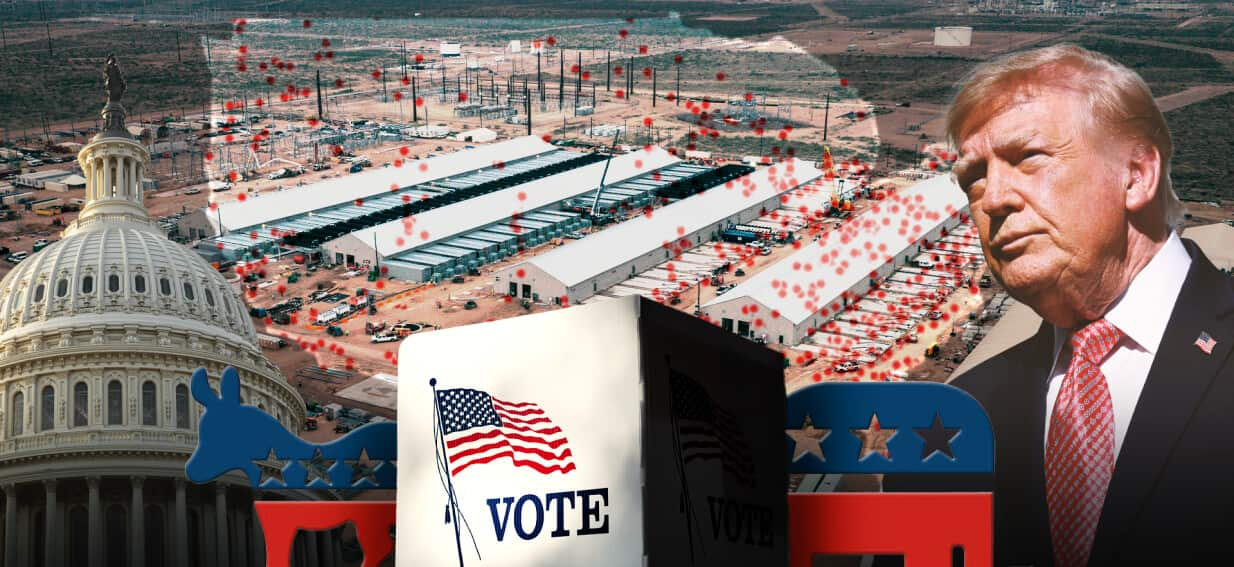
A rare outbreak of cross-party consensus across the fractured American political landscape has propelled a long-overlooked domestic battleground directly into the spotlight, posing unexpected strategic dilemmas for Donald Trump.
Bipartisan Consensus Shatters Traditional Battle Lines
In a political climate largely defined by polarisation, ordinary voters from both sides of the aisle are finding uncommon common ground on issues that were once relegated to the legislative periphery. As SBS News Top Stories reported, this emergent policy focus has shifted from a low-profile sleeper topic into an unavoidable centrepiece of the looming midterms campaign.
While Democrats and Republicans remain bitterly divided on social orthodoxies and institutional norms, the mounting anxiety among working families over pocketbook realities and corporate accountability has created a rare convergence. Grassroots electorates are increasingly demanding decisive intervention, forcing candidates across the political spectrum to adjust their messaging to address kitchen-table priorities that refuse to adhere to strict party allegiances.
Strategic Quagmire for Trump’s Campaign
The unexpected elevation of the debate is proving particularly awkward for Mr Trump, whose political strategy has long relied on deepening partisan fault lines rather than navigating policy terrain where both bases agree. SBS News Top Stories reported that the former president now faces acute headaches as he seeks to retain his populist appeal while pacifying party donors who favour conventional, deregulatory Republican economics.
Strategists observe that when conservative and progressive voters align on government accountability and economic relief, Mr Trump's customary playbook of attacking Democratic overreach loses its potency. Caught between the populist impulses of his working-class base and the demands of conservative institutionalists, the former president has found it difficult to articulate a coherent message that does not alienate one faction or the other.
Kitchen-Table Pressures Reshape the Congressional Map
Across closely contested districts, congressional hopefuls are already breaking away from national party apparatuses to mirror local sentiments. In several key swing states, candidates are running on platforms that openly challenge the entrenched orthodoxies of their own party machines, seeking to capitalise on voter dissatisfaction.
Rather than engaging exclusively in ideological culture wars, contenders are devoting prime advertising space to addressing systemic economic pressures. This recalibration has caught party strategists off balance, rendering traditional polling models less reliable and forcing campaign treasurers to redirect millions of dollars into regional contests that were previously assumed to be safe holds.
Canberra Watches for Ripple Effects
While the contest remains intrinsically American, the policy pivot carries substantial implications for international partners, including Australia. Any shift in Washington towards inward-looking economic measures or populist regulatory overhauls could reshape global supply chains, affecting billions of dollars in trans-Pacific trade and influencing Australian market stability.
With both major American parties displaying an appetite for domestic economic interventions, policymakers in Canberra are watching closely to see whether this rare convergence solidifies into lasting federal policy. For now, the issue continues to dominate town halls across the United States, exposing vulnerabilities in Mr Trump’s political machine and ensuring that the final stretch towards the ballot box remains highly volatile.