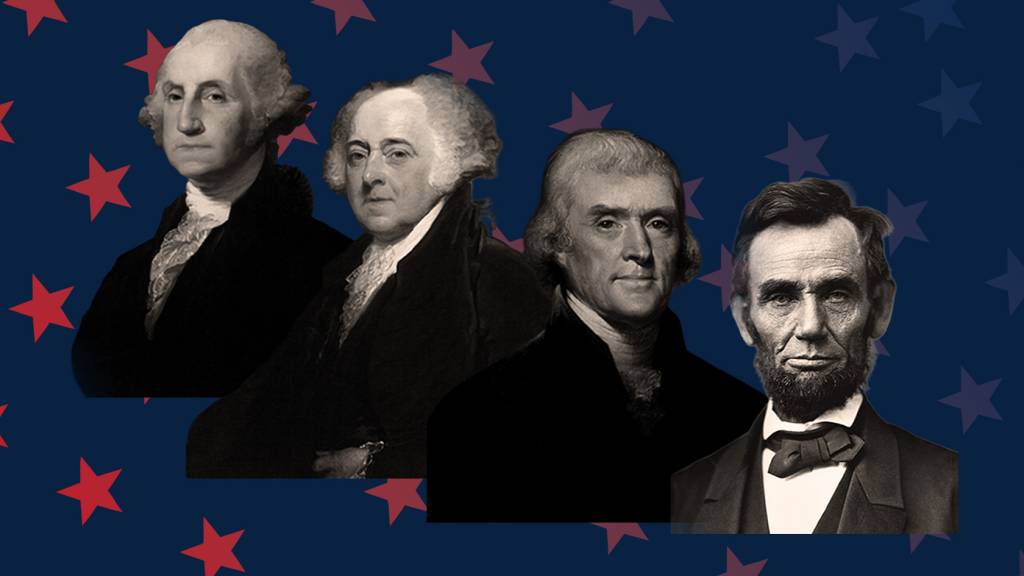
The tumultuous political landscape of the United States, marked by deepening partisan divides and a sense of national identity in flux, has for many Australians become a perplexing global spectacle. While former President Donald Trump often dominates headlines as the embodiment of this disarray, a compelling new theory posits that the true roots of America’s current angst lie much further back, in the life and legacy of a different, singular leader.
Australian independent news outlet Crikey has launched a multi-part series, "Soul of America," with its opening salvo challenging conventional wisdom. Rather than fixating on contemporary figures or easily identifiable flashpoints, Crikey argues for a deeper historical dive, asserting that a particular presidency – one distinctly not Trump’s – offers profound insights into the myriad and often conflicting narratives that underpin American society. This perspective suggests that the seeds of present-day complexities were sown decades, perhaps even a century or more, ago, by decisions and ideologies shaped by a figure whose impact continues to resonate.
The Enduring Echoes of a Solitary Term
Crikey’s analysis, while refraining from naming the specific president in its initial summary, strongly implies a figure whose single term in office had disproportionate and perhaps unforeseen long-term consequences. This isn't merely about policy decisions, but about the philosophical underpinnings, the cultural shifts, and the societal divisions that were either exacerbated or set in motion during their tenure. The outlet promises to unpack how the fundamental tensions within the American ideal – liberty versus equality, individual rights versus collective good, agrarianism versus industrialisation – found a critical inflection point during this period.
For Australian observers, accustomed to a different political lineage, this historical lens offers a fresh perspective beyond the immediate news cycle. It encourages a reflection on how national character is forged, not just in moments of crisis, but through the cumulative effect of leadership, ideology, and the choices made at pivotal junctures. The implication is that understanding this single presidency might illuminate why certain debates continue to rage, why particular divisions persist, and why the American narrative remains so fiercely contested.
Unravelling the American Paradox
A core tenet of Crikey's argument is that the designated presidency serves as a microcosm of America’s inherent contradictions. The nation, often lauded as a beacon of democracy and opportunity, has simultaneously grappled with issues of racial injustice, economic disparity, and ideological polarisation since its inception. Crikey suggests that this unnamed leader’s time in office brought these inherent tensions to the fore, perhaps even weaving them more deeply into the fabric of the nation. These contradictions, the report implies, weren't reconciled but rather embedded, leading to the complex challenges the US faces as it approaches its 250th anniversary in two years’ time.
This analytical approach contrasts sharply with much mainstream commentary, which often attributes America's current woes to more recent phenomena like globalisation, technological change, or the rise of populism. By directing attention to an earlier era, Crikey invites readers to consider a more foundational explanation, one rooted in the very DNA of the American project. The ultimate aim appears to be a deeper understanding of why, despite its immense power and influence, the United States often appears so profoundly divided against itself.
A Fresh Lens for Global Observers
For Australian readers and international audiences alike, Crikey’s thesis provides a novel framework for interpreting the often-baffling trajectory of American politics. Instead of viewing current events as isolated incidents, the report urges a long view, connecting present-day anxieties to historical precedents. This could help explain why seemingly intractable issues, from gun control to social justice, often feel like echoes of past battles.
The series promises to delve into the specific decisions, rhetoric, and societal forces at play during this transformative presidency, revealing how they shaped everything from constitutional interpretation to foreign policy. Ultimately, Crikey aims to provide a more nuanced and enduring explanation for the 'soul' of America, moving beyond superficial analyses to expose the historical bedrock upon which the nation's contemporary challenges are built. The coming instalments, expected over the next few weeks, will undoubtedly generate considerable discussion among those keen to grasp the true complexities of the American experiment.