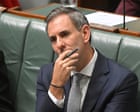
Federal budget pressures are intensifying as escalating expenditure across defence, disability care, and public hospitals leaves Treasurer Jim Chalmers with dwindling fiscal flexibility to rein in Commonwealth outlays.
Coalition Targets Escalating Expenditure
The debate over government finances reached boiling point in Parliament this week, as the federal opposition accused the Albanese government of fuelling inflationary pressures through unrestrained spending. In question time on Wednesday, the Coalition attacked Labor's fiscal management, asking whether the Prime Minister would acknowledge that "out-of-control spending is forcing families and small businesses to pay more for everything".
The political assault forms the core of the opposition's economic critique, positioning Canberra's growing budget footprint as a primary contributor to persistent price growth and extended interest rate pressures. However, an analysis of Commonwealth accounts suggests that the narrative of an untamed spending spree masks a far more rigid and entrenched budgetary reality.
Structural Drivers Beyond Discretionary Control
As The Guardian Australia reported, the lion's share of recent spending growth is not being generated by short-term discretionary policies, but by non-discretionary commitments across a handful of massive structural portfolios. Specifically, surging demands across the National Disability Insurance Scheme (NDIS), the defence portfolio, and the health sector have substantially expanded baseline outlays.
The NDIS remains one of the fastest-growing expenditure lines in the Commonwealth ledger, driven by surging participant numbers and escalating service costs that have continually outpaced initial projections. Similarly, health funding continues to experience strain compounded by demographic shifts and an ageing population requiring more intensive care. In defence, long-term strategic realignments and major capital acquisitions have locked in multi-billion-dollar trajectories that cannot be wound back without severe policy disruption.
Narrow Fiscal Levers for the Treasurer
These entrenched commitments mean Dr Chalmers faces a remarkably narrow set of fiscal levers. While critics advocate for sharp cuts to aggregate expenditure, non-discretionary programs are legally protected, demand-driven, or tied to multi-year intergovernmental agreements.
Slashing funding to frontline hospital services, aged care facilities, or support packages for vulnerable Australians carries both profound social fallout and insurmountable legislative hurdles. Equally, curtailing defence outlays runs counter to prevailing national security objectives. With the bulk of the federal budget locked into these statutory obligations, discretionary programs represent only a modest fraction of total expenditure, severely limiting the scale of rapid savings achievable without systemic reform.
The Inflation Debate Intensifies
Economists remain divided over the macroeconomic implications of these outlays. While elevated public spending does inject aggregate demand into the economy, substantial tranches of current government funding are targeted at relieving structural bottlenecks or supporting household balance sheets under acute cost-of-living distress.
Nevertheless, with the Reserve Bank of Australia vigilant against entrenched inflation, any sustained growth in the Commonwealth's spending envelope faces heightened scrutiny. Dr Chalmers has defended his fiscal stance, pointing to consecutive underlying cash surpluses delivered in recent years. Yet, as structural pressures accelerate across key public services, the task of balancing budget discipline with statutory obligations will define the federal economic agenda heading into the next election cycle.