
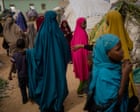
United States military forces have been accused of effectively weaponising climate disasters in Somalia, after sustained airstrikes allegedly trapped thousands of civilians in the path of catastrophic, rising floodwaters.
Coordinated aerial operations targeting strongholds controlled by the Islamist insurgent group al-Shabaab are reportedly forcing vulnerable populations into perilous riverine zones, Reuters World reported. With intense El Niño weather patterns triggering unprecedented deluges across the Horn of Africa, critics and displaced residents have questioned whether civilian entrapment has become an unacknowledged element of military pressure.
In the southern city of Jilib, an al-Shabaab bastion, families found themselves wedged between relentless air incursions and rapidly rising water levels. Cayni Ali, a 27-year-old mother of six whose modest home stood just five metres from the overflowing Juba River, said escape had become impossible as water rose to her waist.
"The drones come all the time," Ms Ali told Reuters World. "We hear them constantly. They kill animals, civilians. The town is big but destruction is everywhere."
Trapped against the swollen Juba
The Horn of Africa is grappling with some of the heaviest rainfall recorded in a generation, with the El Niño phenomenon transforming tranquil waterways into torrents that have swallowed villages and farmlands. In southern Somalia, the Juba River has burst its banks with devastating speed, submerging settlements and wiping out fragile infrastructure.
Ordinarily, communities facing such inundation would flee towards higher ground further inland. However, local accounts indicate that continuous drone strikes and military barrages have hemmed populations in, deterring evacuation along standard overland routes and leaving families stranded in submerged territory where drownings and hypothermia are severe risks.
Tactical pressure amid climate calamity
The timing and geography of the bombardment have intensified scrutiny of Washington's counter-terrorism campaign. Reuters World reported that the persistence of strikes during acute environmental displacement has raised concerns among observers over whether civilian suffering is being exploited to dislodge al-Shabaab fighters from their defensive redoubts.
While the United States military routinely insists its strikes are heavily vetted to dismantle militant networks and minimise non-combatant harm, international humanitarian advocates warn that kinetic operations conducted during extreme weather events effectively convert natural disasters into lethal instruments of war. The destruction of local shelters has exacerbated the exposure of women and children to both aerial shrapnel and surging currents.
Aid blocked in militant strongholds
The crisis is compounded by Jilib's status as an insurgent stronghold, which severely restricts international non-governmental organisations and United Nations aid agencies from mounting rescue operations or delivering relief.
With roads submerged and airstrikes continuing, humanitarian corridors remain non-existent. Cut off from clean drinking water, food convoys, and emergency medical supplies, thousands of trapped residents now face an escalating danger of waterborne diseases, including cholera. Trapped between nature and modern warfare, southern Somalia's civilian population faces a catastrophic squeeze with few avenues of survival remaining.