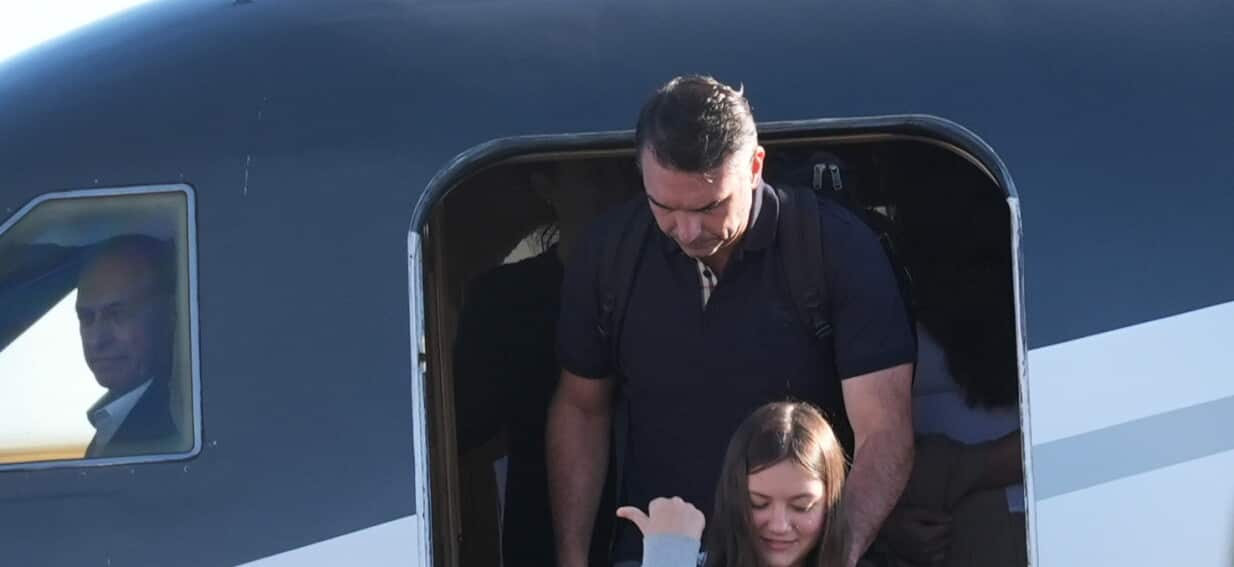
Washington and Buenos Aires are confronting intensifying scrutiny following the abrupt departure of Brazilian senator Flávio Bolsonaro, who fled his homeland citing sustained political persecution amid deepening domestic legal turmoil.
The departure of the high-profile conservative lawmaker, the eldest son of former president Jair Bolsonaro, has ignited a fierce diplomatic storm across South America and pulled international powers into Brasilia's protracted institutional crisis. SBS News Top Stories reported that both the United States and Argentina are facing uncomfortable questions over their potential logistical or diplomatic involvement in facilitating the senator’s transit out of Brazil.
Diplomatic corridors under scrutiny
Details surrounding the exact route and manner of the senator's exit remain murky, yet regional observers have pointed to neighbouring Argentina as a likely corridor. Buenos Aires, now under the stewardship of right-wing libertarian President Javier Milei, has forged deep ideological affinities with the Bolsonaro dynasty, providing a receptive haven for Brazilian political figures feeling the squeeze of judicial investigations at home.
Simultaneously, inquiries have turned towards Washington, given the long-standing relationships between prominent figures in the American conservative establishment and the Bolsonaro family. Authorities in Brasilia are examining whether foreign visas, diplomatic courtesies, or tacit official assistance were extended to enable Flávio Bolsonaro to evade authorities before potential travel bans or judicial restraints could be formally enforced.
Claims of judicial vendetta
The senator has insisted that his departure was an act of self-preservation rather than flight from justice, asserting he had become the target of an unyielding campaign of institutional persecution designed to dismantle his family's political movement.
In public declarations framing his departure, the younger Bolsonaro maintained that the Brazilian judicial system had discarded procedural neutrality in favour of partisan retribution. Brasilia has witnessed unprecedented judicial pressure on the former administration since the January 2023 unrest, when thousands of Bolsonaro loyalists stormed government headquarters in the capital. While allies describe the judicial offensive as authoritarian overreach, legal authorities maintain the investigations are strictly tied to allegations of illicit enrichment and threats to constitutional democracy.
Regional fractures deepen
The unfolding controversy threatens to further destabilise an already brittle bilateral relationship between Brazil and Argentina. Relations between Brazilian President Luiz Inácio Lula da Silva and his Argentine counterpart have been fraught since Milei assumed power, characterised by ideological friction and mutual distrust.
Should evidence emerge confirming that Argentine authorities actively facilitated the departure of a sitting Brazilian senator under active scrutiny, diplomatic relations between the two largest economies in South America could deteriorate precipitously. International legal experts note that granting safe passage or asylum-like protections to figures entangled in domestic criminal proceedings strains established extradition conventions and the broader framework of the Mercosur trading bloc.
Ramifications across Brasilia
Back in Brazil, lawmakers aligned with the ruling government have demanded an immediate inquiry into the intelligence failures that allowed the senator to leave the country. Critics argue that his flight represents an evasion of accountability, while opposition figures have rallied around the narrative that Brazilian democracy has turned hostile to political dissent.
With both Washington and Buenos Aires facing formal requests for clarification from Brazilian authorities, the episode highlights how Brazil's internal political polarisation has breached its sovereign borders, testing diplomatic protocols across the Western Hemisphere.