
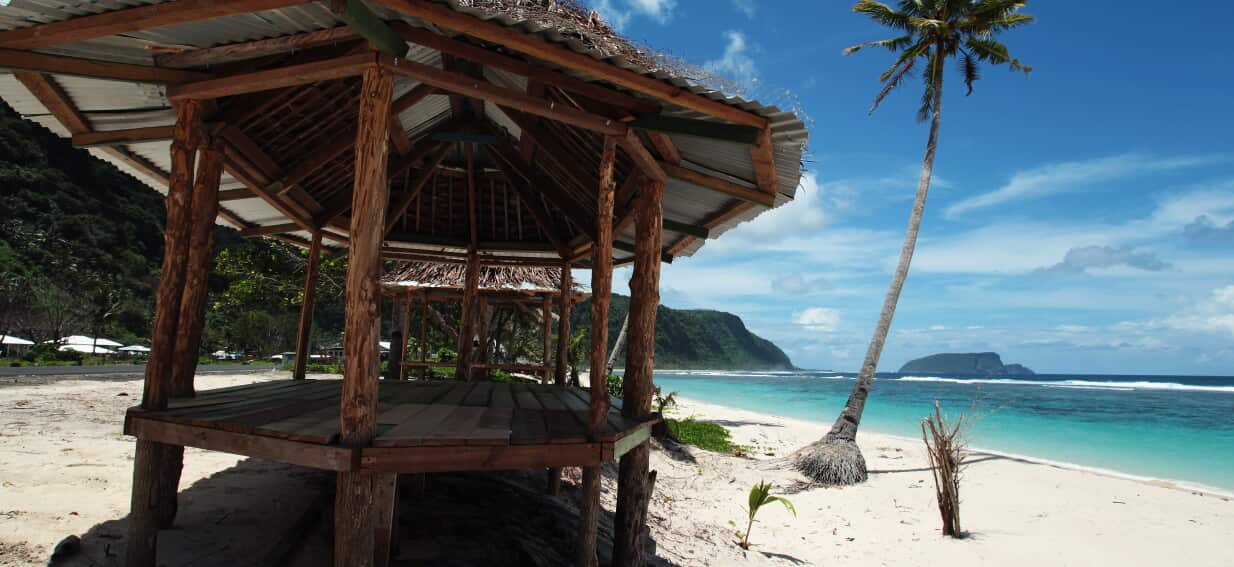
The United States government has greenlit deep-sea mineral exploration leases off American Samoa, ignoring vehement community backlash across the Pacific and framing seabed extraction as a pivotal national security priority.
The contentious decision permits auctioning exploration rights across swathes of the seabed within the US territory’s exclusive economic zone, triggering alarm among Pacific island nations already grappling with environmental degradation and climate vulnerability. Donald Trump previously elevated seabed mining in the Pacific to a "core" strategic interest, intent on securing critical minerals essential for defence manufacturing and high-technology supply chains.
White House prioritises mineral dominance over Pacific sovereignty
SBS News Top Stories reported that federal regulators have pressed forward with lease planning despite sustained protests from local residents, traditional leaders and ecological advocates. The seafloor surrounding American Samoa harbours extensive deposits of polymetallic nodules rich in cobalt, nickel, copper and rare earth elements—resources currently dominated globally by Chinese processing facilities.
Washington contends that tapping these abyssal reserves is vital to domestic industrial security, framing the ocean floor as an unexploited strategic frontier. However, local organisations argue that the territorial administration and Indigenous Samoans have been marginalised in federal decision-making, trading long-term ecological stability for mainland industrial ambitions.
Territorial outcry across Polynesia and environmental alarms
The prospect of industrial seabed harvesting has met unified resistance from customary fishing communities and conservation bodies. Mining operations involve heavy seafloor crawlers and hydraulic lift systems designed to vacuum nodules from the benthos thousands of metres below sea level.
Marine scientists caution that extracting minerals from these fragile zones risks unleashing catastrophic sediment plumes, obliterating unique deep-sea organisms that take millennia to recover, and poisoning marine food chains. For American Samoa, whose economy relies heavily on tuna cannery operations and subsistence fisheries, disturbances to the pelagic ecosystem pose an immediate existential threat to food security and local livelihoods.
Canberran diplomacy caught in regional maritime divide
The unilateral US push places Australia in an increasingly fraught diplomatic posture within Oceania. While Washington accelerates commercial exploitation within its Pacific perimeter, Canberra has maintained a far more circumspect policy, backing rigorous scientific oversight before any seabed exploitation proceeds in international waters.
Pacific Islands Forum members—including Vanuatu, Palau and Fiji—have fiercely campaigned for a global moratorium on deep-sea extraction, emphasising oceanic guardianship under customary Pacific philosophy. By moving ahead with auctions in American Samoa, Washington threatens to alienate regional partners, placing Australia in the uncomfortable position of mediating between its primary security ally and its self-proclaimed "Pacific family".
Looming legal hurdles and unregulated ocean frontiers
The auction initiative also tests the boundaries of maritime governance. Because the targeted deposits lie within the US exclusive economic zone, federal authorities avoid the immediate jurisdiction of the International Seabed Authority in Kingston, Jamaica.
Yet civil society groups and legal observers are preparing challenges against the auction approvals, questioning environmental assessment protocols and the adequacy of consultations with territorial leaders. As multinational mining consortia prepare their bids, the battle over American Samoa’s oceanic depths will serve as a bellwether for resource exploitation across the wider Pacific basin.


