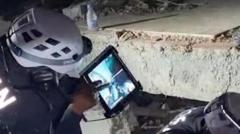
LAS TEJERÍAS, VENEZUELA – The catastrophic landslide that swept through the Venezuelan town of Las Tejerías has claimed more lives, with emergency teams unearthing additional bodies from the wreckage, pushing the confirmed death toll past 50. The search for the missing – an estimated 56 people – continues, though hopes of finding anyone alive beneath the metres of mud and shattered homes are fading fast.
Torrential rains triggered the Sunday's disaster, transforming a normally tranquil river into a raging torrent that engulfed swathes of the industrial town, located approximately 50 kilometres southwest of Caracas. Homes, businesses, and infrastructure were obliterated in seconds, leaving a landscape of destruction that rescuers describe as apocalyptic.
A Nation in Mourning
The sheer scale of the devastation has plunged Venezuela into mourning, with President Nicolás Maduro declaring three days of national mourning and designating Las Tejerías a disaster zone. Al Jazeera reported that over 3,000 emergency personnel, comprising local and international teams, are working tirelessly, sifting through the colossal mounds of earth, felled trees, and fragmented buildings. The air is thick with the smell of decay and the drone of heavy machinery, as excavators claw at the earth, hoping to bring some measure of closure to grieving families.
Survivors, many of whom lost everything, are grappling with the trauma. "We had minutes, maybe seconds, to run," recounted Maria Luisa Rivas, 62, her voice trembling as she stood beside the remains of what was once her home. "The water came like a monster. It took my neighbours, everything I knew." The government has begun distributing aid, but the challenges of providing shelter, food, and medical assistance to thousands of displaced residents are immense.
International Aid Efforts Mount
Calls for international assistance have been answered by various nations and organisations, providing much-needed supplies and expertise. Countries like Cuba and Mexico have dispatched humanitarian aid and specialist rescue teams, offering vital support to the overwhelmed Venezuelan authorities. Australia, through its humanitarian aid programs, is also considering how best to assist the beleaguered nation.
However, the logistical hurdles are significant. Roads leading into Las Tejerías remain treacherous, and essential services like electricity and potable water have been severely disrupted. The sheer volume of debris—hundreds of thousands of tonnes—will require months, if not years, to clear, further complicating recovery and reconstruction efforts.
Lingering Fears of Further Disasters
The weather, a critical factor in this tragedy, remains a concern. While the immediate downpours have subsided, forecasters warn of continued instability and the potential for further landslides in the saturated hillsides surrounding Las Tejerías. This constant threat adds another layer of anxiety for residents and rescuers alike, who fear the ground could give way again at any moment.
The long-term implications for Las Tejerías are profound. Rebuilding will require an estimated investment of billions of Venezuelan bolívares, or potentially hundreds of millions of Australian dollars, in a country already grappling with economic challenges. Beyond the immediate devastation, the psychological toll on a community that has witnessed such unfathomable loss will undoubtedly linger for generations. As the arduous search continues, the focus now shifts from rescue to recovery, and the difficult process of healing begins.