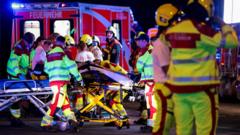
Caracas, Venezuela – A nation already grappling with a deep economic crisis and internal strife now faces the daunting prospect of rebuilding from catastrophic earthquakes that have ravaged significant swathes of its territory. Preliminary estimates suggest the cost of reconstruction could reach into the tens of billions of Australian dollars, a figure that dwarfs the country's current financial capabilities and underscores the immense humanitarian challenge ahead.
A Nation on its Knees Before the Quakes
Even before the earth shook, Venezuela was locked in a severe economic downturn, characterised by hyperinflation, widespread poverty, and mass emigration. Years of political instability, international sanctions, and mismanagement of its vast oil reserves had already brought the nation to its knees. The earthquakes, therefore, did not merely cause destruction; they exacerbated an existing catastrophe, pushing millions further into precarity. Homes, infrastructure, and vital services, already fragile, have now been obliterated in many areas, compounding the suffering of a population long accustomed to hardship. The pre-existing humanitarian crisis means that traditional avenues of aid and recovery are significantly hampered, demanding an unprecedented level of international cooperation and ingenuity.
The Astronomical Price Tag of Recovery
Al Jazeera reported that the financial burden of rebuilding is expected to be staggering. While precise figures are still being tallied, early assessments indicate a price tag that could easily hit multiple tens of billions of Australian dollars. This includes not just rebuilding homes and basic infrastructure like roads and bridges, but also schools, hospitals, and critical utilities such as water and electricity networks. The loss of agricultural land and industrial capacity in affected regions further complicates economic revitalisation, impacting food security and employment. With the Venezuelan government’s coffers already severely depleted and access to international loans restricted, funding this colossal undertaking presents an almost insurmountable hurdle. The sheer scale of the damage implies a recovery timeline stretching not for months, but potentially for decades.
Hurdles Beyond the Financial
Beyond the immediate financial crunch, Venezuela faces a litany of non-monetary obstacles to recovery. Political divisions, which have long paralysed effective governance, threaten to impede coordinated relief efforts and long-term planning. The country's dilapidated infrastructure makes delivering aid to remote, affected regions a logistical nightmare, exacerbated by fuel shortages and a severely degraded transport network. Furthermore, the exodus of skilled professionals over recent years means there is a critical shortage of engineers, medical personnel, and construction workers – precisely the expertise needed to spearhead a sustained rebuilding effort. Al Jazeera highlighted how corruption and lack of transparent governance could also divert much-needed resources, a perennial concern for international donors contemplating significant commitments.
A Glimmer of Hope Through Global Solidarity?
Despite the overwhelming challenges, there's a fragile hope that the sheer scale of the disaster might galvanise a renewed sense of national purpose and international solidarity. Humanitarian organisations are already on the ground, but their efforts are a drop in the ocean compared to the need. A coordinated global response, free from geopolitical agendas, would be crucial. This would involve not just financial aid, but also technical expertise, equipment, and a commitment to ensuring that assistance reaches those who need it most. The road ahead for Venezuela is undoubtedly long and arduous, requiring not just concrete and steel, but unwavering resilience from its people and sustained support from the global community to truly pave a path towards recovery.