
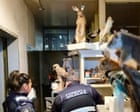
A Victorian antique dealer has been fined after wildlife authorities uncovered an illicit hoard of more than 700 taxidermied and frozen native animals inside his regional home and shop.
The 74-year-old trader entered guilty pleas to 13 charges relating to the illegal possession, keeping, and processing of protected fauna following an extensive regulatory investigation into his operations. The case concluded in a regional Victorian magistrates' court after enforcement officers executed search warrants on both the man’s private residence and commercial shopfront.
Macabre Trove Stored Across Freezers and Shelves
Investigators acting on intelligence discovered a sweeping collection of dead native wildlife held without the necessary wildlife licences or commercial authorisations. The haul encompassed hundreds of individual specimens spanning common and protected Australian species, including magpies, galahs, sulphur-crested cockatoos, and ringtail possums, alongside introduced animals such as foxes.
Footage documented by the state conservation watchdog revealed room after room of silent, mounted fauna arranged alongside domestic goods, while deep-freeze units were packed tightly with unmounted carcasses awaiting taxidermy work. As The Guardian Australia reported, the discovery represented one of the most substantial individual seizures of illegally held native wildlife specimens recorded by state regulators in recent years.
State enforcement officers seized all 700 specimens on site, cataloguing the animals as evidence before initiating formal prosecution proceedings.
Protections Under Victorian Wildlife Legislation
Under Victoria’s Wildlife Act, it is an offence to take, keep, process, or sell protected native wildlife without holding appropriate licences issued by the Conservation Regulator. The legal framework strictly limits taxidermy work on native species to licensed practitioners, with mandatory logbooks required to establish the lawful provenance of any deceased animal.
Authorities noted that unregulated taxidermy and specimen hoarding creates significant ecological risks. When traders operate outside statutory oversight, conservation officers cannot verify whether fauna perished naturally, was illegally taken from national parks, or was systematically poached using prohibited traps, poisons, or firearms.
Regulators have reiterated that even deceased wildlife found as roadkill cannot legally be collected or possessed by members of the public without an exemption, safeguarding against illicit black-market trade disguised as opportunistic scavenging.
Strict Warnings Issued to Antiques and Specimen Traders
The Victorian court imposed significant financial penalties on the 74-year-old, ordering the forfeiture of the entire collection to the state for lawful disposal or educational retention. The magistrate underscored that commercial antique dealers bear an affirmative obligation to comprehend and obey wildlife conservation mandates.
The outcome signals heightened regulatory scrutiny across the state's secondhand trade, where curiosity pieces and vintage taxidermy frequently exchange hands. The Conservation Regulator has issued reminders to auction houses, antique stores, and private collectors that the commercial handling of native fauna remains strictly governed by law, with non-compliance carrying substantial fines and potential custodial sentences.


