
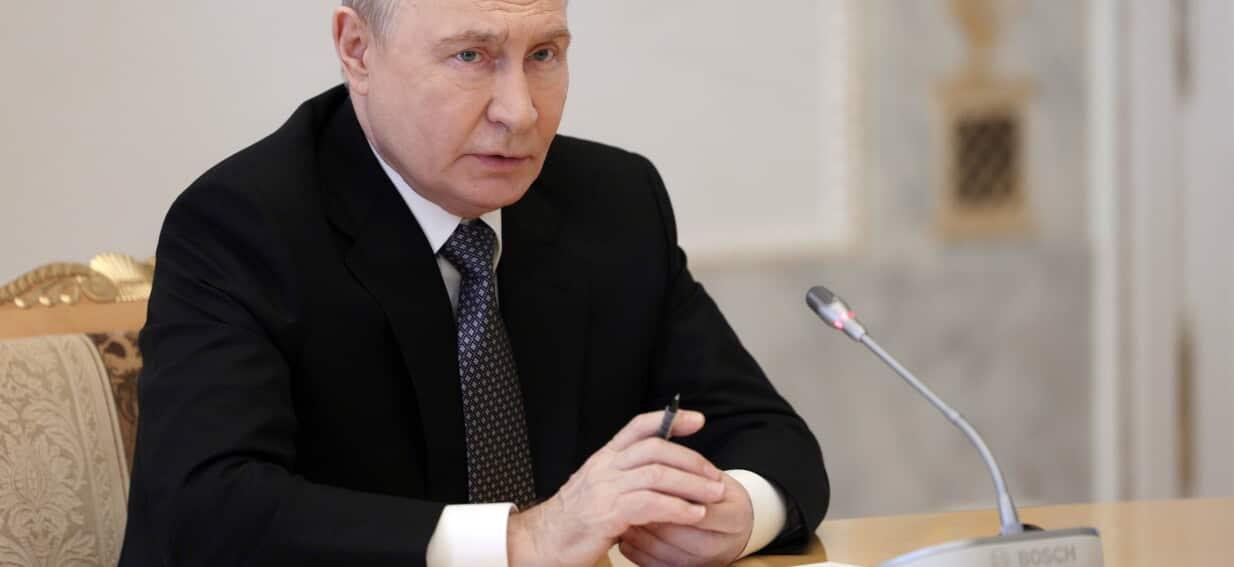
Russian President Vladimir Putin has agreed in principle to revive trilateral diplomatic talks with the United States and Ukraine, sparking cautious hope alongside severe scepticism across Western capitals.
SBS News Top Stories reported that the Kremlin leader signalled tentative support for a fresh diplomatic push involving Washington and Kyiv, marking a potential pivot in what has become an entrenched war of attrition. However, Ukrainian officials moved quickly to temper expectations following the announcement.
Kyiv urges caution amid history of broken truces
President Volodymyr Zelenskyy cautioned that Moscow has established a recurring pattern of committing to preliminary diplomatic frameworks before walking away or abruptly shifting its demands on the ground. Ukrainian authorities emphasised that any genuine peace process must respect the nation's sovereign territorial integrity and include ironclad security guarantees, rather than simply providing Moscow with breathing space to regroup its frontline military forces.
Western analysts have echoed Kyiv’s unease. Previous rounds of direct and mediated negotiations—ranging from the ill-fated Minsk agreements to the short-lived talks held in Istanbul during the opening months of the 2022 invasion—have repeatedly dissolved amid ongoing Russian missile strikes and uncompromising territorial claims.
Shifting diplomatic landscape in Washington
The prospect of renewed trilateral dialogue comes as domestic political debates in the United States intensify over long-term strategic and financial commitments to the war. While Washington has continued to supply critical armaments, munitions, and intelligence to Ukrainian forces, disputes over foreign spending packages have heightened anxiety in Europe regarding the durability of American aid.
Direct American participation alongside Kyiv and Moscow would mark a notable evolution in diplomacy. For months, the White House has maintained an official policy of "nothing about Ukraine without Ukraine", insisting that Kyiv alone must determine the timing and terms of any armistice. Observers suggest trilateral discussions could offer Washington a direct mechanism to test Russian resolve, though the format, venue, and preliminary conditions remain unresolved.
The Kremlin, for its part, continues to demand formal recognition of its claimed annexations across eastern and southern Ukraine—a baseline that remains entirely unacceptable to Kyiv and its allies.
Canberra watches regional fallout as aid commitments stand
In Australia, defence planners and foreign policy analysts are monitoring the diplomatic developments closely. The Albanese government has consistently condemned Russia's unprovoked invasion, contributing more than $1.5 billion in overall support to Ukraine, including armoured Bushmaster vehicles and humanitarian assistance.
Strategic experts in Canberra maintain that defending international borders against unilateral aggression is vital to maintaining stability in the Indo-Pacific. Australian officials have frequently warned that a coerced or unjust settlement in Eastern Europe could set a dangerous precedent, potentially emboldening coercive behaviour closer to home.
While the Russian leader's conditional willingness to engage offers a faint opening, diplomats acknowledge that agreeing in principle remains a vast distance from silencing the guns across the frontline.


