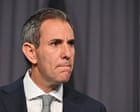
Treasurer Jim Chalmers is facing mounting political resistance as struggling Australian households reject his efforts to blame surging domestic inflation on Middle East hostilities and global political volatility ahead of next week’s interest rate decision.
With the Reserve Bank of Australia widely expected to consider a further lift in the official cash rate at its upcoming board meeting, the Albanese government finds itself boxed into a difficult political corner. As Guardian Australian politics reported, the Treasurer has sought to pin stubborn price pressures on international developments, pointing to escalating conflict in the Middle East and the economic friction unleashed by shifting geopolitical currents, including trade uncertainties tied to Donald Trump.
Geopolitical headwinds versus domestic hip pockets
While economists acknowledge that external shocks undeniably drive up fuel costs and disrupt global shipping corridors, the narrative is failing to resonate with voters enduring an acute cost-of-living squeeze. Millions of mortgage holders and renters across New South Wales and the nation are watching their disposable incomes evaporate, displaying little patience for economic explanations anchored in overseas affairs.
Guardian Australian politics reported that while Dr Chalmers has macroeconomic justifications for highlighting international shocks, public sentiment has hardened considerably. For ordinary Australians confronting stubborn supermarket prices and soaring utility bills, global geopolitical analyses offer scant comfort when household balance sheets are stretched to breaking point.
The looming shadow of another RBA rate hike
The central bank’s impending monetary policy call threatens to compound the government’s predicament. Financial markets have continued to price in elevated risks of monetary tightening as underlying inflation refuses to retreat toward the RBA's target 2 to 3 per cent band as swiftly as policymakers had anticipated.
An additional rate rise would instantly feed through to variable mortgage repayments, adding hundreds of dollars a month to the obligations of home loan borrowers who are already on the financial brink. With every basis point increase, political culpability tends to settle squarely on the federal administration of the day, regardless of whether the primary drivers originate in Washington, Tehran or Canberra.
Canberra’s messaging falls flat with electorate
Dr Chalmers’ defensive posture highlights the tightrope federal Labor must walk as the next federal poll draws nearer. While the Treasurer insists that federal spending restraint has played a disinflationary role, the Coalition and crossbench critics continue to argue that homegrown government outlays have exacerbated aggregate demand, working at cross-purposes with the Reserve Bank’s restrictive monetary settings.
Surveys and political analyses reflect this growing dissonance. Australians appear increasingly disinclined to accept that their domestic pain is entirely imported. The public perception remains that Canberra possesses the fiscal levers to cushion the blow, yet the results on the ground remain punishingly slow to materialise.
Federal fiscal strategy under mounting scrutiny
The Treasurer’s strategy of attributing economic pain to overseas turmoil risks appearing detached from the lived experience of everyday families. While global oil shocks and international trade disputes are beyond ministerial control, voters inevitably judge incumbent governments on the conditions prevailing in their own bank accounts.
As the RBA prepares to hand down its verdict next week, Dr Chalmers faces not just an economic challenge, but an acute communication crisis. Unless the government can convince voters that it has a credible domestic antidote to inflation, external scapegoats will do little to stem the rising tide of electoral discontent.