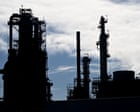
Australia is embarking on a significant initiative to fortify its fuel security, with plans underway to investigate the feasibility of building the nation’s first new large-scale oil refinery in six decades. This strategic move, a collaboration between the Commonwealth and Western Australian governments, aims to buffer the country against the volatility of global oil markets, particularly in light of escalating tensions in the Middle East and their potential to trigger inflationary spikes.
The Albanese government’s long-term strategy underscores a looming concern over Australia's reliance on dwindling domestic refining capacity and the implications of being largely beholden to international supply chains. The Guardian Australia reported that a substantial $4 million early-stage feasibility study is set to commence, jointly funded by both levels of government, to explore the viability of establishing what would be only the third major petrol refinery in the country.
Bolstering National Fuel Resilience
The push for a new refinery comes at a critical juncture, with global events, particularly the ongoing conflict in the Middle East, casting a long shadow over energy markets. Treasurer Jim Chalmers has publicly voiced concerns about the potential for these geopolitical tensions to exacerbate inflationary pressures domestically. A robust local refining capability is seen as a crucial bulwark against such external shocks, ensuring a more stable and predictable fuel supply for Australian consumers and industries.
The proposed facility, if deemed viable, would significantly enhance Australia's energy independence. Over the past decades, the country has seen a decline in its refining capabilities, leading to an increased reliance on imported refined petroleum products. This reliance exposes Australia to price fluctuations, supply chain disruptions, and geopolitical risks, making the prospect of a new refinery a pivotal step towards greater self-sufficiency.
Western Australia: A Strategic Location
Western Australia has been identified as a strong contender for the site of this potential refinery. The state’s substantial existing energy infrastructure, including major oil and gas extraction operations and port facilities, positions it as a logical and strategic choice. Its proximity to key shipping routes in the Indian Ocean also offers logistical advantages for both crude oil imports and refined product distribution across the country.
The feasibility study will delve into various aspects, including economic viability, environmental impact, technological requirements, and the scale of investment required. Experts anticipate that such a project would entail a multi-billion dollar investment, representing a significant undertaking for both public and private sectors. The study will also assess the potential implications for job creation and regional economic development within Western Australia.
Beyond Economic Considerations: A Security Imperative
While the economic rationale for a new refinery is strong, encompassing job creation, reduced import costs, and a more stable energy market, the security implications are equally profound. In an increasingly uncertain world, national energy security has become a paramount concern for governments globally. The ability to refine crude oil domestically lessens vulnerability to international political whims, trade disputes, and natural disasters that could disrupt overseas refining operations or shipping lanes.
A new Australian refinery would provide a strategic reserve capacity, offering a critical safeguard during times of crisis. The current geopolitical landscape underscores the urgency of such measures, as nations re-evaluate their supply chain dependencies and look to bolster domestic capabilities across essential sectors. The Albanese government’s initiative signals a clear pivot towards a proactive, rather than reactive, approach to Australia’s long-term energy future.