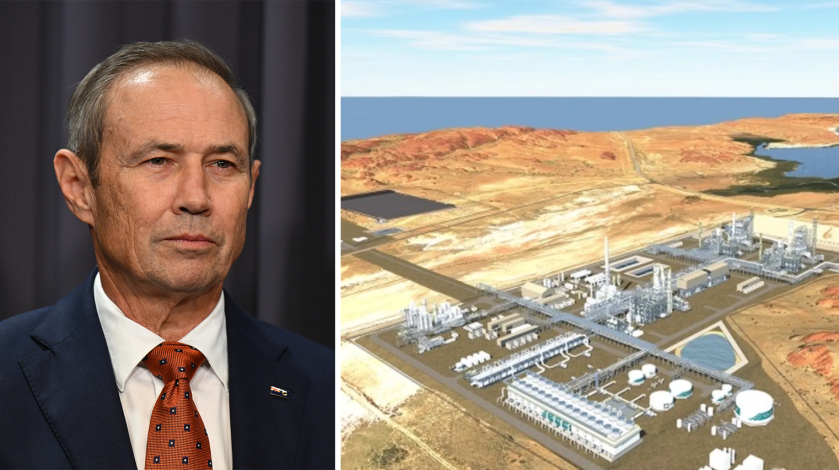
Proposals for the construction of a new refinery in Western Australia, reportedly backed by both federal and state governments, are being met with a healthy dose of scepticism from industry observers.
The ambitious project, framed by some as a crucial step towards national energy security and sovereignty, is facing numerous hurdles and tough questions that, according to independent news outlet Crikey, may not be adequately addressed.
Economic viability questioned amid global trends
The economic rationale behind establishing a new refinery in Australia in 2024 is perhaps the most significant point of contention. The global refining industry is currently undergoing a period of significant consolidation and contraction, particularly in developed nations with high labour and environmental costs. Many older, less efficient refineries are being shuttered or converted to biofuels facilities, unable to compete with mega-refineries in Asia and the Middle East.
Australia's existing refining capacity has dwindled significantly over the past decades. Of the nine refineries operating in 1965, only two remain – Ampol’s Lytton refinery in Queensland and Viva Energy’s Geelong refinery in Victoria. Both have received substantial government subsidies to ensure their continued operation, highlighting the challenging economics of the sector. Crikey reported that these subsidies, aimed at maintaining a baseline refining capability, underscore the inherent difficulties in running such operations profitably without significant public assistance.
Building a brand-new, world-scale refinery would involve an investment running into many billions of Australian dollars. Critics argue that such an enterprise would struggle to achieve commercial viability against established competitors, particularly given Australia's relatively small domestic market and stringent environmental regulations. The long-term profitability, or even sustainability, would likely require ongoing government support, raising concerns about efficient allocation of taxpayer funds.
Environmental and social concerns loom large
Beyond the economic headwinds, any new refinery project would inevitably face intense scrutiny over its environmental impact. Refineries are significant emitters of greenhouse gases and other pollutants. In an era of increasing climate change awareness and ambitious emissions reduction targets, securing environmental approvals for such a facility would be a formidable task.
Community sentiment would also play a crucial role. Historical opposition to industrial developments, particularly those with a heavy environmental footprint, is well documented in Australia. Local communities near potential sites would undoubtedly raise concerns about air quality, water usage, and potential health impacts. The social licence to operate a large-scale, carbon-intensive facility in 21st-century Australia would be incredibly difficult to secure and maintain.
‘Sovereignty’ as a political smokescreen?
Proponents of the refinery project often frame it in terms of national sovereignty and energy independence. The argument posits that relying solely on imported refined fuels leaves Australia vulnerable to geopolitical disruptions and supply chain shocks. While the sentiment is understandable, Crikey suggested that this narrative might be an attempt to dress up a questionable economic idea as a strategic imperative.
Australia is a significant exporter of crude oil and liquefied natural gas. The challenge is not a lack of resources, but rather the capacity to convert them into usable fuels domestically. However, investing billions in a new refinery might not be the most effective or economically sensible way to achieve energy security. Diversifying fuel sources, investing in renewable energy, and bolstering strategic fuel reserves could offer more resilient and cost-effective pathways to national energy independence.
The push for a new refinery, therefore, demands a thorough and transparent examination that goes beyond political rhetoric. The economic realities, environmental responsibilities, and long-term strategic benefits must be meticulously weighed against the colossal investment and potential ongoing liabilities for Australian taxpayers. Without such scrutiny, what is presented as a sovereign solution risks becoming a colossal white elephant.