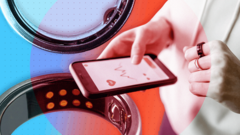
For many expectant mothers, the first sign of pregnancy is a tell-tale missed period or a positive test. But for a growing cohort of women, including Australians, a new, unexpected indicator is emerging: their fitness tracker.
Ravika, a woman whose story was highlighted by BBC Business, is one of hundreds globally whose wearable technology subtly signalled her pregnancy long before traditional methods. Her tracker — designed to monitor everything from heart rate to sleep patterns — began revealing anomalous data, prompting her to investigate what would soon be confirmed as early pregnancy.
The Subtle Shifts in Our Stats
These seemingly minor deviations in biometric data are proving remarkably accurate for early detection. The core vital signs measured by fitness trackers – particularly resting heart rate and sleep quality – undergo notable changes during early pregnancy. A woman's resting heart rate typically increases by several beats per minute as her body begins the monumental task of supporting a new life, often well before any noticeable physical symptoms appear. Sleep patterns can also be disrupted due to hormonal fluctuations, increased nocturnal urination, or even subconscious anxiety related to the body's changes. Anecdotal evidence suggests that changes in basal body temperature, another metric some trackers can monitor, also serve as an early clue.
This phenomenon is not limited to overseas reports. Australian women are also experiencing this technological revelation. Sarah, a 32-year-old from Melbourne, recently shared her similar experience on a local parenting forum. "My Fitbit started showing my resting heart rate was consistently 10 beats higher than usual, even when I was just sitting on the couch," she wrote. "I dismissed it at first, but after a week, curiosity got the better of me. Turns out, I was four weeks pregnant."
From Data Anomaly to Doctor's Visit
The ability of fitness trackers to capture these nuanced physiological changes is transforming the timeline of pregnancy discovery for some. Previously, women might wait weeks for a missed period to confirm their suspicions. Now, their wrist-worn devices are providing data-driven prompts, often leading them to take a pregnancy test days or even a week earlier than they might otherwise. This early insight can be a double-edged sword; while it offers quicker confirmation, it can also lead to earlier anxiety for those who might prefer a later, more definitive answer. However, for many, the early notice is a welcome heads-up, allowing them to adjust lifestyles, dietary habits, and even medication sooner.
The Future of Fertility Tracking
The burgeoning field of reproductive technology is already exploring dedicated applications for wearable data. While current fitness trackers aren't specifically marketed as pregnancy detectors, their underlying biometric analysis holds immense potential. Developers are beginning to integrate advanced algorithms that could more accurately identify patterns indicative of fertility windows, ovulation, and yes, even early pregnancy. Companies are increasingly looking at how to leverage this continuous stream of personal health data to provide more holistic and personalised health insights, including for reproductive health. The average Australian spends hundreds, if not thousands, of dollars on wearable tech, making it an accessible, albeit unintentional, health monitor.
While these devices offer fascinating insights, medical professionals are quick to caution that they should not replace professional medical advice or conventional pregnancy tests. A fitness tracker can prompt suspicion, but a blood test or a home pregnancy kit remains the definitive diagnostic tool. Yet, as the technology becomes more sophisticated and commonplace, the tale of the fitness tracker as the first bearer of big news is set to become an increasingly familiar Australian story.