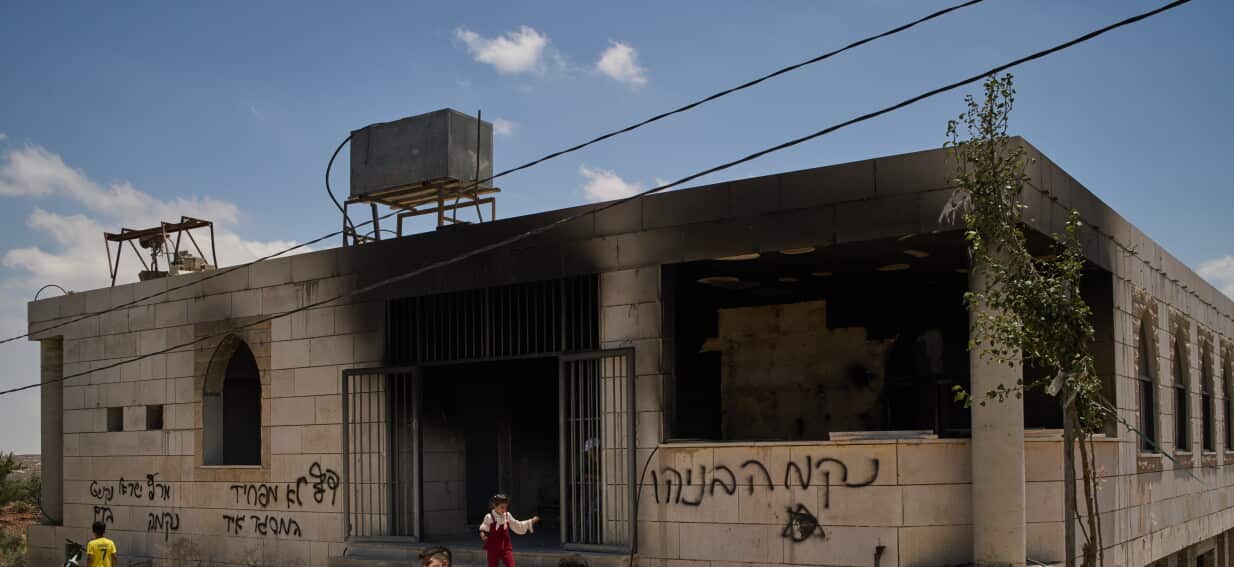
RAMALLAH, WEST BANK – A disturbing escalation of violence in the Israeli-occupied West Bank has seen two mosques reportedly set ablaze by Israeli settlers, marking a dangerous new chapter in the already fraught region since the onset of the Gaza conflict. The acts of arson, reported by SBS News Top Stories, are part of a broader surge in fatalities and destruction, deepening the humanitarian crisis and further dimming prospects for peace.
The incendiary attacks underscore a worrying trend of increased settler aggression that has mirrored the intensity of the war in Gaza. Local Palestinian authorities have condemned the acts as deliberate provocations designed to stoke further instability and displace communities. Residents, already living under immense pressure, describe an atmosphere of fear and helplessness as their places of worship become targets.
Unprecedented Surge in Fatalities
Since the Gaza war began, the West Bank has witnessed an unprecedented surge in violence, leading to a significant increase in Palestinian fatalities. Security forces and armed settlers have been implicated in numerous incidents, contributing to a climate of terror for the Palestinian population. The deliberate targeting of religious sites represents a grave new dimension to this conflict, with international human rights organisations expressing profound alarm.
Prior to the current conflict, settler violence was already a significant concern, but the period since October 2023 has seen a dramatic intensification. The United Nations Office for the Coordination of Humanitarian Affairs (OCHA) has previously documented hundreds of settler-related incidents since the war's commencement, including property destruction, assaults, and the obstruction of access to land. The torching of mosques, however, represents a deeply provocative act that could ignite broader religious tensions.
Mosques Become Targets in Heightened Tensions
Details surrounding the mosque arsons remain a key focus of investigation. While specific locations were not immediately disclosed in the SBS News Top Stories report, such attacks often occur in villages adjacent to Israeli settlements, where territorial disputes and ideological grievances are most pronounced. Witnesses in affected areas, speaking anonymously for fear of reprisal, have described scenes of intense fires and widespread damage, with precious religious texts and architectural heritage potentially lost.
The desecration of religious sites is not only a crime against property but is also perceived as a profound attack on the cultural and spiritual identity of the Palestinian people. These incidents inevitably fuel cycles of retaliation and further harden positions on both sides, making any future de-escalation significantly more challenging. Calls for accountability from international bodies have grown louder, demanding independent investigations into these acts.
A Broader Pattern of Displacement and Control
The increase in settler violence is not an isolated phenomenon but is often linked to a broader strategy of territorial expansion and control in the West Bank. Attacks on villages, olive groves, and infrastructure are frequently reported, aimed at compelling Palestinians to abandon their lands, thereby paving the way for further settlement growth. The economic impact on Palestinian communities is devastating, with agricultural livelihoods particularly vulnerable.
Australian government officials have previously expressed concern over the expansion of Israeli settlements, which are considered illegal under international law. The current surge in violence, including the targeting of religious sites, indicates a dangerous acceleration of these dynamics. It adds further strain to an already volatile region, with the potential to destabilise the broader Middle East. The Australian dollar equivalent of damages from such incidents often runs into millions, albeit human cost is immeasurable.
International Calls for De-escalation and Protection
International bodies and numerous countries have repeatedly called for an immediate de-escalation of violence in the West Bank and for the protection of Palestinian civilians. The United Nations High Commissioner for Human Rights has underscored the obligation of the occupying power to ensure law and order and to protect the occupied population. However, critics argue that these calls have often gone unheeded, leading to a perception of impunity among some settler groups.
As the conflict in Gaza continues to dominate headlines, the intensifying crisis in the West Bank risks being overlooked, despite its severe humanitarian ramifications. The torching of mosques serves as a stark reminder of the multidimensional nature of this conflict and the urgent need for robust international intervention to prevent further catastrophic escalation.