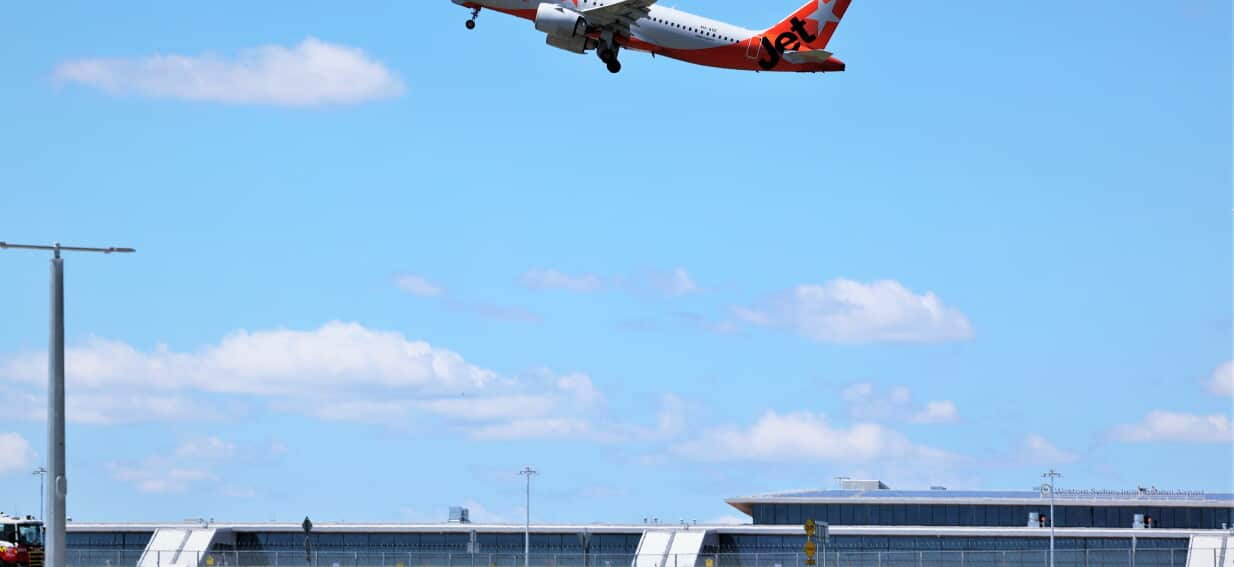
Travellers heading to Sydney’s newest aviation hub face an unexpected financial hurdle, with patchy transport connections leaving passengers stranded without direct rail and confronting charges of up to $55 to reach the terminal.
As Western Sydney International (Nancy-Bird Walton) Airport begins handling commercial passenger services, the fanfare surrounding Australia’s first major greenfield aviation gateway in decades has collided with the frustrating reality of ground transport logistics. While the state-of-the-art terminal at Badgerys Creek was promised as an economic catalyst for the outer west, SBS News Top Stories reported that the missing links in the surrounding transit network are already landing passengers with steep fees.
The Costly Commute to Badgerys Creek
For decades, federal and state planners championed the Badgerys Creek precinct as a frictionless alternative to the congestion of Kingsford Smith Airport. Yet for thousands of inbound and outbound passengers, navigating the outer western suburbs has quickly revealed an expensive operational blind spot.
SBS News Top Stories reported that travellers attempting to navigate the gap between Sydney’s established transit grid and the new tarmac face fees climbing as high as $55. The financial impost is largely driven by private shuttle services, dynamic ride-share pricing, and road toll networks, which penalise passengers who cannot rely on direct suburban rail access. For cost-conscious travellers and working families throughout Western Sydney, the additional charge erodes much of the value promised by low-cost regional and domestic airfares.
Rail Disconnects and Suburban Gaps
At the heart of the frustration is the staggered delivery of mass transit infrastructure. While the Sydney Metro Western Sydney Airport line was designed to service the terminal, its initial scope links the aerotropolis only to St Marys in the north.
This alignment means passengers travelling from the Sydney central business district, Parramatta, or the rapidly growing southwest corridor face complex journeys involving multiple transfers between heavy rail, metro, and local bus networks. For those carrying luggage or travelling outside peak timetables, public options remain cumbersome, pushing travellers toward commercial road transport where charges quickly mount.
Infrastructure Sequencing Under Scrutiny
Transport advocates and urban planners have long cautioned that transport infrastructure must open in lockstep with terminal facilities to avoid commuter gridlock. The current shortfall highlights persistent coordination challenges between federal airport operators and state transport agencies.
Without a direct, affordable public transport pipeline connecting the aerotropolis across key regional centres like Liverpool, Campbelltown, and Penrith, the terminal risks becoming an island for those without private vehicles. Community groups have noted that workers employed at the aerotropolis face similar financial headwinds, with daily commuting costs threatening to undermine local employment benefits.
Growing Calls for Transit Relief
With operations expanding, pressure is now mounting on government planners to address the transport deficit before long-haul international flights scale up. Industry analysts suggest that without targeted transit subsidies, expanded express bus corridors, or capped airport access charges, Badgerys Creek risks replicating the notorious access fees that have plagued Mascot for a generation.
Until seamless, heavily subsidised transit corridors are fully operational, Sydney passengers will continue to weigh the convenience of the new runway against the stinging cost of simply stepping through its doors.