
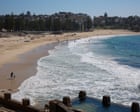
Swimmers and surfers have been locked out of two prominent eastern suburbs beaches after a dead whale washed ashore on an inaccessible rocky shelf between Coogee and Maroubra.
Randwick City Council ordered the temporary closure of both popular strips on Thursday morning as wildlife rangers and maritime specialists assessed the stranded carcass. The imposing remains, wedged tightly against a jagged sandstone ledge, prompted an immediate precautionary exclusion zone for ocean bathers due to the elevated risk of drawing apex predators near the shoreline.
Witnesses observing the scene from coastal cliff trails remarked on the surreal scale of the animal, with some noting the behemoth almost looked fake against the turbulent whitewash, The Guardian Australia reported.
Shark Warnings and Cliffside Perils
Authorities moved swiftly to barricade beach access points and raise red flags across both bays. Decomposing cetaceans present a significant biohazard and act as an irresistible scent beacon for large sharks, particularly tiger and bull species known to patrol New South Wales waters.
Surf Life Saving NSW deployed drone surveillance flights across the coastal corridor, scanning the surrounding headlands and gutters for predator activity while water police patrolled offshore. Council lifesavers warned the public to respect the closure notices, urging beachgoers to avoid entering the water along the rocky intertidal zone where swell surges could further dislodge biological matter into the surf break.
Logistical Challenges on Rocky Shelf
The physical removal of the massive mammal presents a formidable engineering dilemma. The local council indicated it was collaborating with national park rangers and the NSW Department of Primary Industries to extract the carcass from what officials described as a “difficult-to-access location surrounded by cliffs and rock ledge”.
Standard maritime salvage methods—such as using sea tugs to tow the carcass out into open ocean currents—remain severely complicated by shallow reefs and powerful breaks. Conversely, land-based excavation using heavy crane apparatus is hamstrung by the fragile coastal cliffs and lack of vehicular thoroughfares connecting the headland tracks down to the waterline. Disposal crews are weighing options including careful on-site dismantling or waiting for a window of high tide and subdued sea state to safely sling the carcass seaward.
Cultural Respect and Scientific Autopsy
Beyond the mechanical hurdles, municipal authorities emphasised that any operation would strictly adhere to traditional custodian protocols. The council confirmed it is prioritising a “culturally respectful” removal process, liaising closely with local Indigenous custodians who maintain deep spiritual connections to marine life and sea country.
Biologists from the state's marine wildlife bodies will also seek to take biological biopsies, blubber measurements, and tissue samples where safety allows, hoping to determine the animal's exact species, age, and whether ship strike, entanglement, or natural disease caused its demise.
Seasonal Migration Patterns Along the Coast
The incident coincides with the tail end of the annual whale migration season, during which tens of thousands of humpbacks and southern right whales navigate the Australian eastern seaboard from Antarctic feeding grounds to warm northern nurseries.
While beach closures of this nature remain relatively rare in inner Sydney, strandings occasionally occur when sick or deceased animals drift toward the sheer coastline. Authorities have cautioned that Maroubra and Coogee will remain closed until the remains are completely removed and water testing confirms the offshore predator threat has dissipated.


